

Ben Collier, PhD Book a call →free, 15 minutes

Tepper · MBA Course
I built

AI Methods for Social and Visual Data

Using AI on text, networks, and images, and knowing when the output is ready for a decision.

I built this course for Tepper MBA students who need to use current AI methods on text, networks, images, and other unstructured data. We treat each model as a measuring instrument. Students should be able to say what it did, where it fails, and whether its output is good enough to act on. The labs are in Python, and we discuss ethics in the same labs as the code.

  • Fall 2026, Mini 1
  • Mondays and Wednesdays
  • No prerequisites
  • No model training
  • Labs in Python
  • Course number 45-884
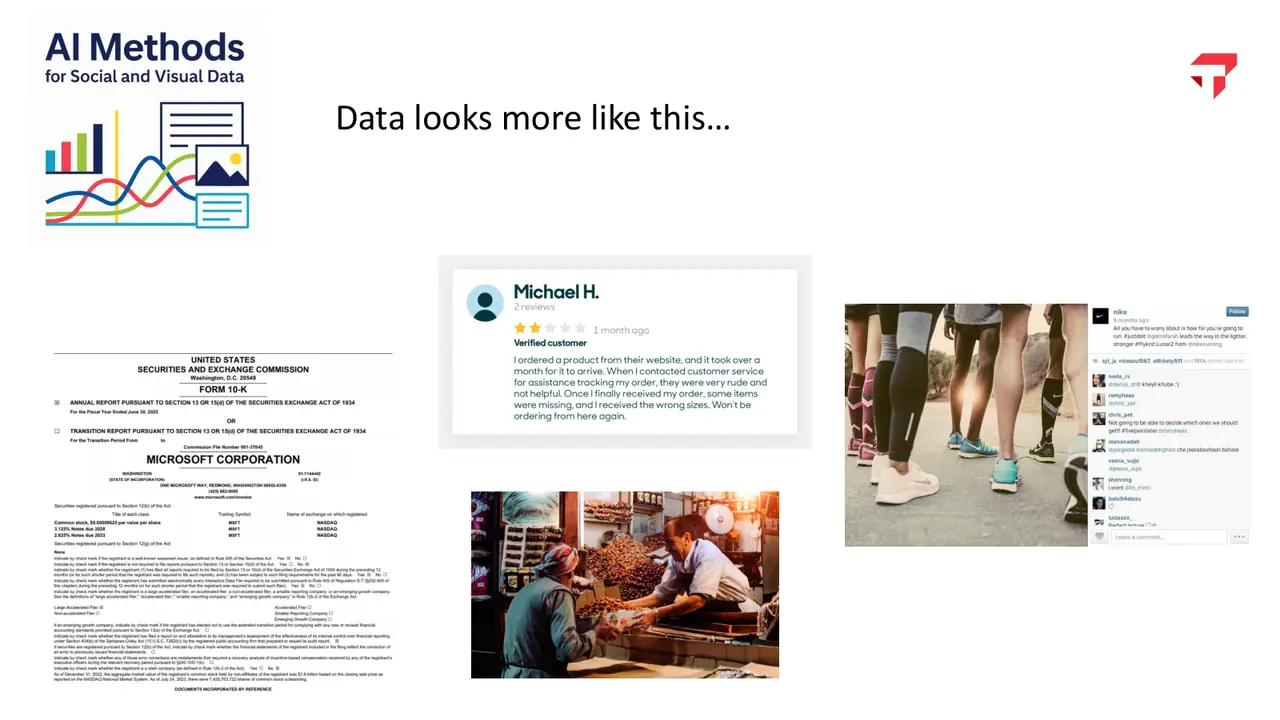
Slide: Business data looks less like a spreadsheet and more like this
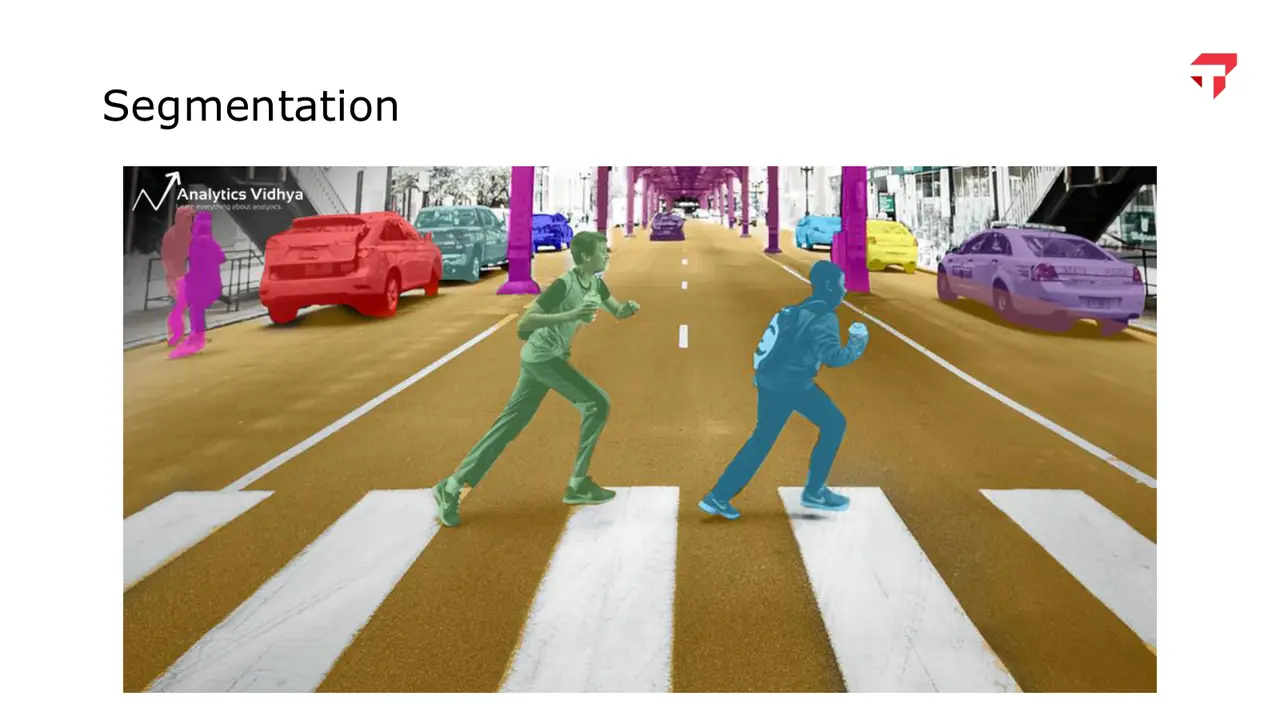
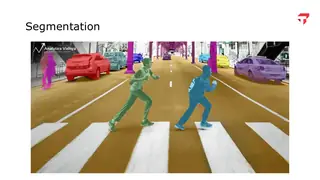
Slide: Segmentation: labeling every pixel
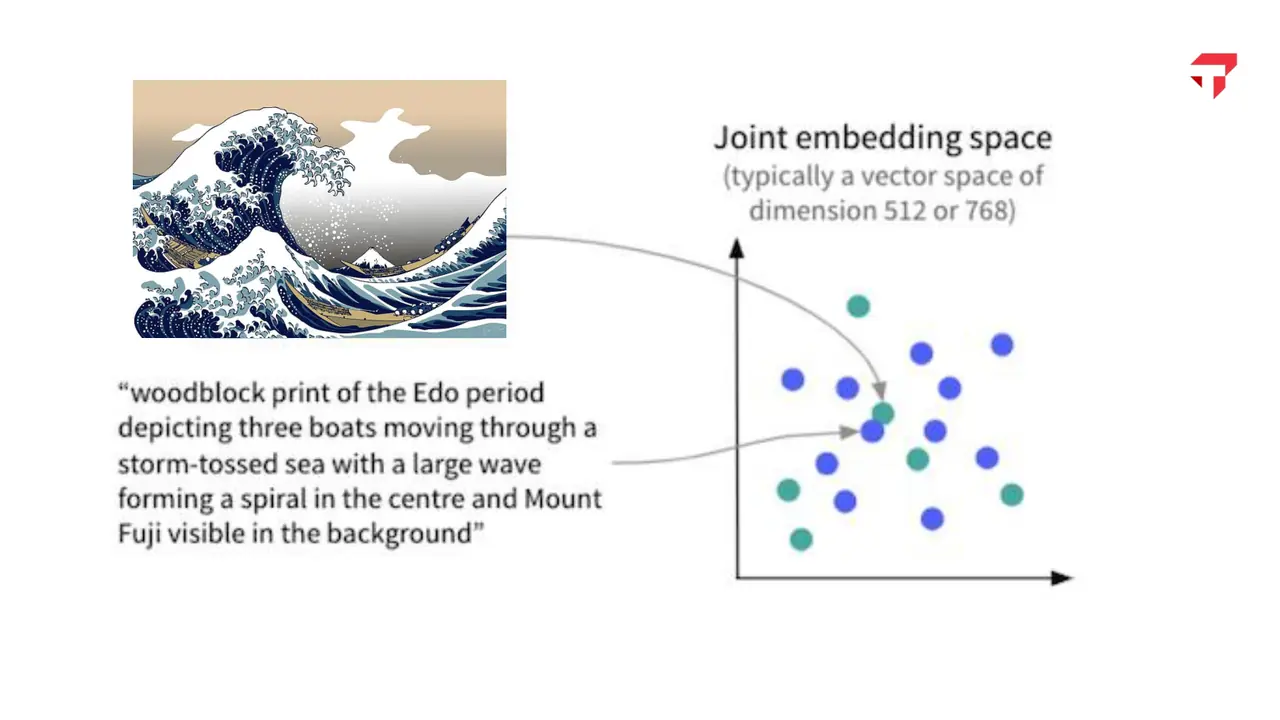
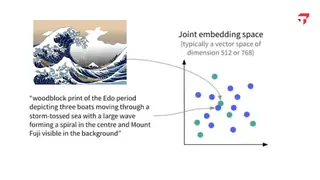
Slide: A joint embedding space for images and text

treat the model as an instrument:
what did it measure?

Fall 2026, Mini 1 · Mondays and Wednesdays

Week by week

Scroll the schedule and the slides follow along: five from each session, picked from the decks I taught from.

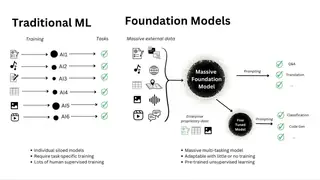
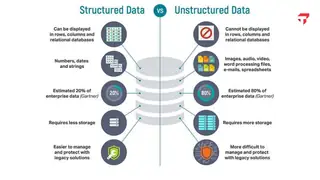
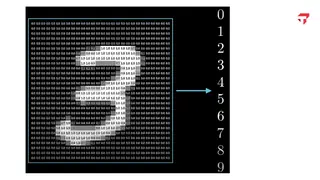
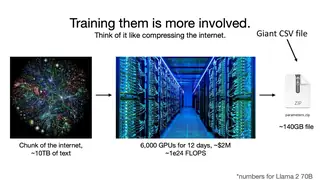
  1. M1Introduction to AI Models and Unstructured DataBusiness data looks less like a spreadsheet and more like thisTraditional machine learning versus foundation modelsStructured versus unstructured dataImages are numbers: a handwritten 3 as a grid of pixelsTraining a model is more like compressing the internet
  2. M1Python, JSON, and calling an API; prompt engineering; building a CEO Scorecard agentIn-class exercise
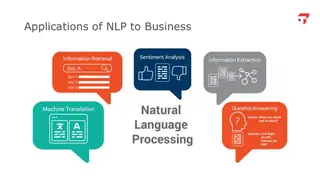
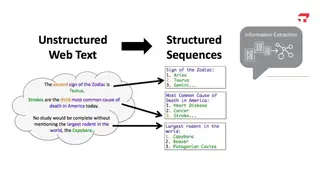
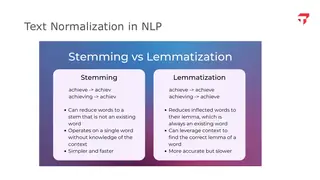
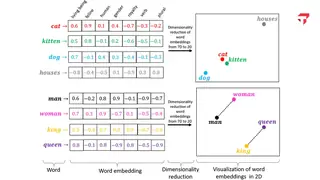
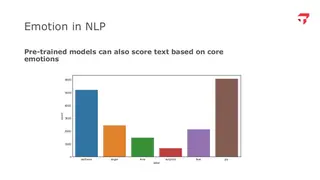
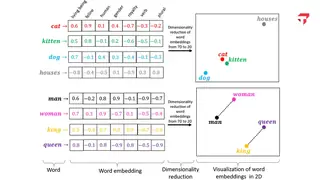
  3. M2Natural Language Processing FundamentalsApplications of natural language processing in businessFrom unstructured web text to structured sequencesStemming versus lemmatizationWord embeddings: words as vectorsMeasuring emotion in text with pretrained models
  4. M2Data structures for AI work, Python control flow and functionsIn-class exercise
  5. M3No class: CMU holidayNo class
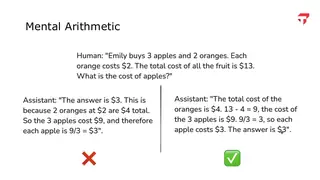
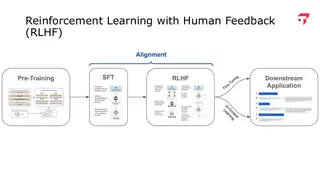
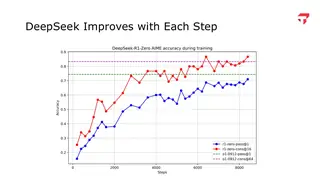
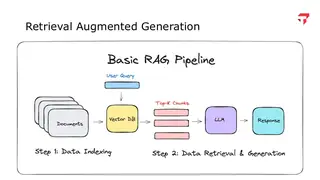
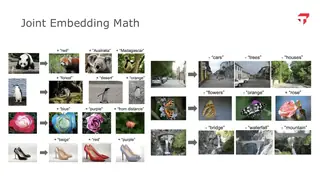
  6. M3Text Mining for Business Insight: semiconductor risk from company filingsWord embeddings and the geometry of meaningMental arithmetic: why models need tokens to thinkReinforcement learning from human feedbackDeepSeek improves with each step of reasoningA basic retrieval-augmented generation pipeline
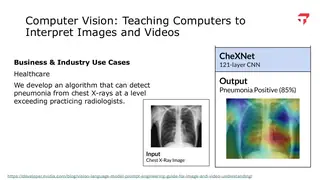
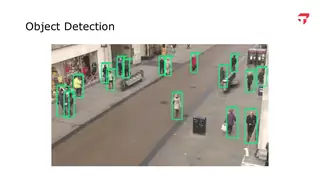
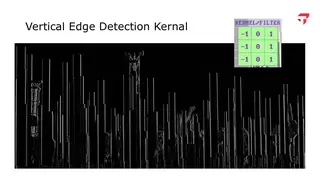
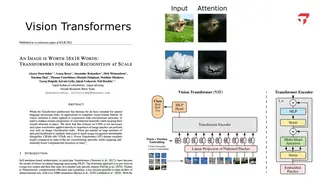
  7. M4Computer Vision FundamentalsCheXNet: a 121-layer network reading chest X-raysObject detection on a city streetSegmentation: labeling every pixelA vertical edge detection kernel at workVision Transformers: attention applied to image patches
  8. M4Computer vision demos: YOLO, ResNet, Vision Transformers, social media applicationsIn-class exercise
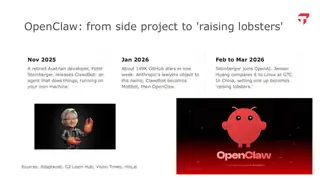
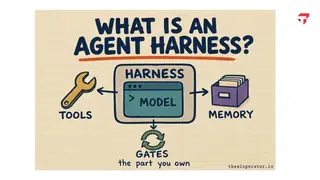
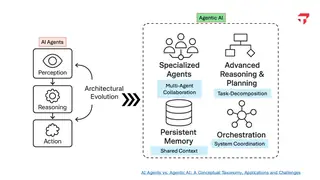
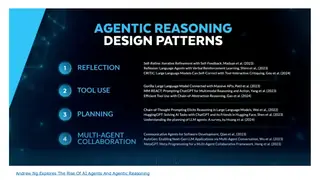
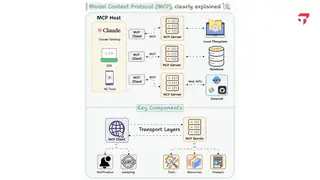
  9. M5Agentic AI and AI WorkflowsOpenClaw: from side project to industry storyWhat is an agent harness?From a single AI agent to agentic AIAgentic reasoning design patternsModel Context Protocol, clearly explained
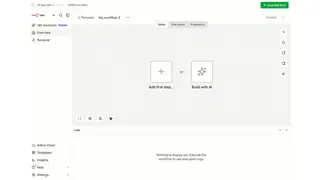
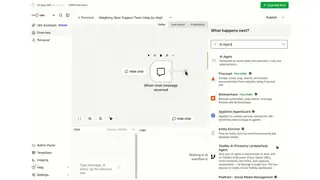
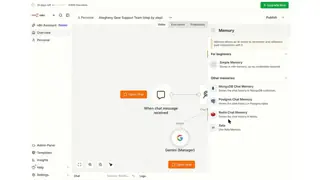
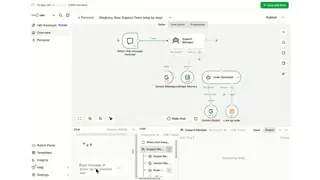
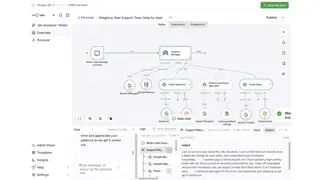
  10. M5Building an interactive multi-agent workflowIn-class exerciseLab: starting a new n8n workflow from a blank canvasLab: adding the first AI agent nodeLab: giving the agent memoryLab: wiring specialist agents to a support managerLab: the finished multi-agent support team
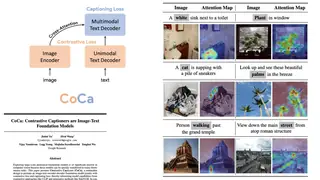
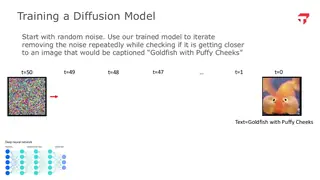
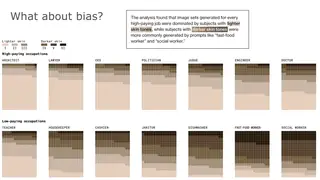
  11. M6Mining Visual Data for Business InsightA joint embedding space for images and textImage retrieval with embeddingsCoCa: contrastive captioners for image-text understandingTraining a diffusion model: from noise to imageWhat about bias in image generation?
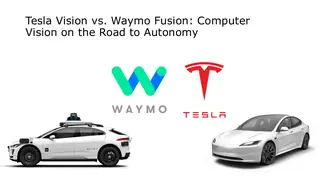
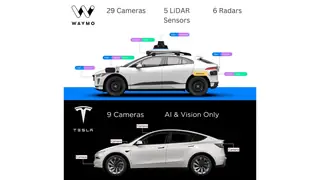
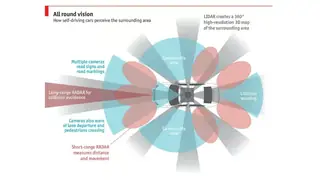
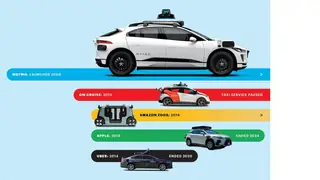
  12. M6Case: Tesla Vision vs. Waymo Sensor FusionCaseTesla Vision versus Waymo Fusion: two bets on autonomyWaymo's sensors against Tesla's camerasWhat each sensor can and cannot seeRobotaxi programs and where they operateNight driving: what a camera actually sees
  13. M7Final Project PresentationsPresentations
  14. M7Final Project PresentationsPresentations

Method

How the course works

There are no prerequisites and no model training. Students use foundation models from OpenAI, Anthropic, Google, and Meta on text, images, and agent workflows, and the course teaches the Python, JSON, and API calls they need along the way.

Every lab compares models. Students classify product reviews with three models and weigh cost against accuracy, chain two agents that score semiconductor companies' risk from their filings, and in the computer vision class send one photograph through three generations of vision: YOLO boxes, ResNet labels, then a multimodal model that returns a shelf-restocking report as JSON.

Each class opens with AI Methods in the News, a student briefing on a product or a debate from the last six months. In Fall 2025 the agents module closed with Prasad Chalasani, co-founder of the Langroid agent framework.

fig. 1 · one photograph, three generations of vision

What students hand in

Major assignments

  • Final project20%
  • Labs20%
  • AI Methods in the News15%
  • Quizzes25%
fig. 2 · weight of each major assignment in the grade

Final project 20%

Individually or in groups, students either define their own business question to answer with AI methods or take one of the questions I set, such as earnings-call analysis or a brand's social media. Deliverables are an 8 to 10 page report on the process and findings and a 3 to 7 minute presentation in the last week.

AI Methods in the News 15%

Teams open class with an 8 to 15 minute briefing on an AI product or debate from the last six months, connected to the methods in the course and fully sourced.

Quizzes 25%

Six weekly Canvas quizzes on the prior module.

Labs 20% four labs, all in Python

Lab 1

Python and foundation models

Build a chatbot that evaluates CEOs, wire it to several foundation models through their APIs, customize it with prompt engineering, and compare how the models behave.

Lab 2

Natural language processing

As a product manager for a snack brand, classify Amazon reviews with TextBlob and with foundation models, score each review for follow-up and predicted rating, and weigh accuracy against a real API budget.

Lab 3

Text mining for business insight

As a financial analyst, run a two-agent pipeline over filings from AMD, NVIDIA, Micron, Intel, and Broadcom: a rating agent scores firm and industry risks, a synthesis agent writes the sector report. Then point it at an industry of your choice.

Lab 4

Mining visual data

Zero-shot classification of ImageNet subsets with a vision model to see where accuracy holds and where it falls apart, then use a Vision Transformer to pull marketing features out of social media images.

What students built

Final projects

Final projects start from a real business question. Students show how their prompts changed and compare models before settling on one. In Summer 2026, seven of the nineteen projects were built with real companies or organizations, and three are already in use. Projects from Fall 2025 and Summer 2026, grouped by type, with one example each.

  • Social listening and sentimentReddit sentiment through an aircraft maker's safety crisis, set against its stock price7
  • Finance and investingAn autonomous equity analyst triggered from a watchlist5
  • Career, hiring, and advising agentsA five-agent job-fit scorer with a skeptical hiring-manager critic4
  • Agentic workflow automationAutomating client outreach for a real-estate agent in n8n3
  • AI governance and ethicsHuman oversight of AI in intelligence analysis3
  • Document and transcript extractionTurning sales-call transcripts into buyer intelligence2
  • Computer vision in the fieldAn offline tool that helps bomb-disposal teams identify ordnance1
  • Mergers and corporate culturePredicting merger success from culture fit in annual reports1
fig. 3 · projects by type, with one example each

Every project, by term.

Summer 2026 19 projects
  • Index-fund investing education (consumer fintech tutor). Asked whether a small, locally fine-tuned model could be a reliable index-fund education tutor; the LoRA fine-tune lifted held-out eval accuracy from 63% to 75% and halved over-refusal, while further SFT and DPO on a stronger base model regressed performance. Agentic tutor (router + four specialist agents, SQLite memory, deterministic Python for all math); LoRA fine-tune of Qwen2.5-1.5B on 827 distilled, decontamination-checked pairs; 100-scenario held-out eval run across 8 frontier and local model configurations; follow-on SFT and DPO experiments
  • Sales-call intelligence for a B2B partnerships firm. Years of real sales calls mined for buyer questions, objections, and commitments. A five-model bakeoff caught one model fabricating quotes; the final pipeline required verbatim evidence for every claim and reached 99%+ grounding precision. Hand-coded codebook, then a 5-model LLM bakeoff, then strict JSON schemas with mandatory verbatim evidence; custom eval harness; deployed as a connected agent with Fireflies and Google Drive MCP connectors and 8 packaged skills
  • Boeing 737 MAX (Reddit discussion vs. BA stock price). Between the two 737 MAX crashes, net Reddit sentiment fell to -0.59 and reputation-risk posts tripled while BA stock climbed 22.5% to an all-time high; the team concluded the signal is coincident rather than leading, suited to crisis monitoring rather than trading. LLM classification of 375 Reddit posts by three independent model families (1,125 LLM calls, 98.5% completion); inter-model agreement as a reliability measure (86% on sentiment) and majority-vote consensus labels; timeline overlay against monthly stock data
  • Offline explosive ordnance identification. An on-device ordnance-ID tool for field teams without connectivity, where frontier models refuse the task. It reached 82% category accuracy offline, within two points of a cloud model. Fully offline, on-device pipeline: trained CNN + DINOv2 embedding retrieval over ~10,000 reference images + a doctrine-driven vision-language model pass, cross-checked; abstention and confidently-wrong scored as outcomes; A/B test of a triage pipeline
  • Carbon modeling for a climate-tech startup's grant application. Estimated CO2e per apartment turnover from public benchmarks. Over nine versioned runs extraction success rose from 3.6% to 70%, and a cross-model check caught a 1,000x unit error. Search-retrieve-extract LLM pipeline over public benchmarks; nine versioned runs with a forensic error log; dual-model, range-based cross-checks; a method lock to stop silent data drift
  • Human oversight of AI in military intelligence decision-making (policy paper with experiment). Tested prompt architecture as a governance lever: chain-of-thought plus per-claim confidence cut hallucination from 34-41% to 0-8%, but when contradictions were injected, models fabricated reconciling narratives instead of flagging them up to 52% of the time. 15 intelligence scenarios built from declassified material, run across 4 frontier models; hallucinations coded by two raters (kappa 0.81); prompt-architecture conditions (chain-of-thought + per-claim confidence) and an adversarial injected-contradiction condition
  • Equity research on public companies (earnings calls, SEC EDGAR filings). Built an autonomous equity-analyst agent that turns a ticker into a sourced research report; a mis-wired wait node caused a 3.5-hour runaway loop, and re-architecting from polling to webhooks cut cost per report 75%, from $4.74 to $1.20. Self-hosted n8n + Docker agent triggered by a Google Sheets watchlist; pulls earnings-call transcripts, EDGAR filings and allowlisted research; tiered model routing (cheap model preprocesses, stronger model synthesizes); 5-tier source hierarchy; seven system-prompt iterations; publishes reports to a self-hosted blog and email
  • Video game player reviews on Steam (for game development teams). Filtered 5,000 reviews down to under 100 developer-useful ones and auto-generated prioritized Trello tickets; the headline finding was that about 98% of review volume is written for players, not developers. OpenAI LLM filtering and issue extraction over ~5,000 Steam reviews; weighted actionability scoring; automatic Trello ticket creation with summaries and acceptance criteria
  • Automaker customer feedback on Reddit. Nearly 8,000 Reddit comments from nine automaker subreddits classified for product managers. Comparing three models exposed each one's consistent hidden bias; the prototype became a working web app. Scraped 9 GM subreddits (2,867 posts, 7,900 comments); comment-level LLM classification with a 17-field schema; three-model comparison; web app with theme clustering and trend detection
  • Business school elective course advising (CMU Tepper). Prototyped an AI course-recommendation advisor to supplement short, requirements-focused advising appointments, comparing no-code platforms and models. Resume and goal statement in, top-5 elective recommendations out, scored on a weighted rubric (skills, career, interests); Google Opal vs. n8n and multiple models compared head to head; human-in-the-loop fallback to advisors
  • Root-cause analysis in a bearing plant. An assistant over five plant systems, including Spanish-language operator notes. Agentic orchestration failed; a deterministic design correctly traced a 40.5-point availability gap to a single grinding machine. Root-cause deep-dive assistant over five plant source systems, including Spanish-language operator notes; agentic orchestration attempted and abandoned for a 'Python computes, LLM narrates' design
  • Job search: candidate-to-job fit scoring. Extended a background-check agent into a job-search and fit-scoring tool, and diagnosed LLM score compression: model fit scores clustered at 62-87 versus human scores ranging 10-95. Five-stage multi-modal agentic pipeline (candidate profile from resume, GitHub, LinkedIn, Google Scholar; live job postings in text/PDF/image) with an adversarial hiring-manager critic agent
  • MBA resume-to-job matching. Matched MBA resumes to live job postings with about 96% on-target retrieval across five personas and zero dead links by construction. Three-agent pipeline with frozen JSON contracts between agents; hybrid deterministic + LLM scoring; tested on five MBA personas (example resumes)
  • Workplace climate survey comments. An LLM pipeline for the open-ended section of a de-identified workplace survey. A lexicon baseline flagged 2 negative comments; the LLM pipeline found 17 worth acting on. LLM classification pipeline compared against a lexicon baseline on real, de-identified survey comments, with a privacy layer
  • Credit card fraud detection for smaller card issuers (public Kaggle transactions data). Asked whether AI can help issuers prioritize fraud review and automate reporting; LightGBM at a 1:5 ratio performed best, and the three LLM-written reports agreed on core findings, differing mainly in depth (about 400 to 1,000+ words). LightGBM vs. logistic regression on ~1.3M transactions with training-only downsampling (1:5 and 1:10); threshold and risk-tier analysis; LLM reporting layer comparing Llama 4 Scout, GPT-OSS 120B and Gemma 4 31B fed structured analysis packets via OpenRouter
  • Facial recognition in consumer devices (smart glasses, doorbell cameras). Asked whether companies can capture facial-recognition benefits without losing consumer trust; concluded the sharpest unresolved risk is consent for bystanders who never agreed to be scanned, and proposed four deployment recommendations. Policy and strategy analysis: privacy-risk model, stakeholder map, review of biometric-privacy regulation (BIPA, EU AI Act); no predictive model built
  • Pricing a home as-is. A no-code workflow that reads listing photos, prices repairs, and suggests an as-is list price. On a live listing one run landed mid-range of the real offers; other runs drifted high, which became the main lesson. Google Opal no-code multi-step workflow: vision analysis of listing photos, web-searched repair cost ranges, comparable-sales after-repair value, then list price and seller net; iterative prompt revisions
  • Environmental impact of AI (data center water and carbon). Mapped the stakeholders in AI's water and power footprint and recommended actions for each to reduce consumption and improve carbon-footprint transparency. Claude-assisted research synthesis and stakeholder-mapping framework
  • Job search scorecard. Resume-to-posting matching with GPT-4o and Llama, plus employer sentiment. GPT-4o gave the strongest recommendations; matching was too literal about prior industry. Python notebook: resume parsing and job search; GPT-4o (compared against Llama Scout) resume-to-job matching with structured JSON output; DuckDuckGo-sourced employer sentiment; composite opportunity score
Fall 2025 18 projects
  • M&A cultural compatibility (Delta-Northwest, Daimler-Chrysler, Korean Air-Asiana). Asked whether pre-merger language predicts integration success; the successful Delta-Northwest merger scored 0.73 vs. 0.62 for the failed Daimler-Chrysler, and Korean Air-Asiana scored a moderate 0.67 with gaps in leadership tone and adaptability. LLM extraction of five cultural dimensions from 10 years of pre-merger news, press releases and annual reports; pairwise cultural-fit scores benchmarked against known merger outcomes
  • Fantasy Premier League team selection (English Premier League player data). Built an AI team builder; GPT-4o gave the most balanced and interpretable selections, DeepSeek was creative but less consistent, and the full multi-season dataset proved too large for the models to process reliably. Deterministic ranking of historical player statistics (six seasons, reduced to one) combined with LLM reasoning (GPT-4o, DeepSeek-R1 and a third model) on form, fixtures and team balance
  • MBA job search (resume-to-role matching). Prototyped a 'career co-pilot' that matches MBA candidates to roles, explains the fit and suggests next steps; the authors present the small dataset as a conceptual demonstration rather than an empirical validation. NLP skill extraction, embeddings and retrieval-augmented generation over ~300 curated postings and five anonymized resumes; LLM-generated fit explanations and outreach suggestions; published prototype website
  • Corporate credit agreements filed with the SEC (EX-10). Across 20 credit agreements the AI handled first-pass review with about 75-80% accuracy (about 85% factor-level agreement in a 10-agreement spot check), implying roughly 50% savings on first-pass legal cost; most agreements scored borrower-friendly, reflecting investment-grade borrowers. GPT-5-mini at temperature 0 (Gemini Pro also tested) filling an auditable 5-factor scorecard with supporting quotes, collapsed into a Borrower Favorability Index
  • Travel planning (flight price optimization and itineraries). Built an assistant that finds the cheapest round trip within flexible date windows in about 30 seconds and writes a full itinerary; the authors note API coverage could bias results toward major airlines. Amadeus flight-offers API enumerating all round-trip date pairs to find the cheapest fare, then an OpenAI GPT model generating a day-by-day itinerary, dining tiers and budget
  • Earnings-call 'mention' prediction markets (Kalshi). Asked whether LLMs give an edge on whether a phrase will be said on an earnings call; in a 583-trade simulation, NO trades were profitable (+3.12 cents average) while YES trades lost money (-6.33 cents average). LLM probability estimates (GPT-OSS and Llama 4 Scout via JetStream) from historical earnings-call transcripts plus recent headlines (Defeat-Beta API), with a structured-JSON reasoning prompt; backtested trading simulation
  • B2B sales outreach (first-touch emails). Generated 30 personalized, compliance-constrained drafts for 10 sample leads, with automated sending deliberately disabled. Rule-based Python pipeline in Colab producing three personalized email variants per lead; draft-only with human review; LLM personalization planned as a next step
  • 10-K and 10-Q filings (IBM, Microsoft) for interview preparation. Built a tool that turns 100-200 page SEC filings into cited talking points for MBA interview prep, tested on IBM and Microsoft filings. Retrieval-augmented generation: OpenAI text-embedding-3-large + FAISS vector retrieval, chunked filings, citation-enforced summarization
  • Customer-support automation (returns, cancellations, information requests). Demonstrated a multi-agent customer-support workflow that classifies intent and routes to specialist agents, deployed to a live website. OpenAI Agent Builder / AgentKit multi-agent workflow (guardrail, intent classifier, specialist agents) embedded in a custom website via ChatKit
  • Executive competitive intelligence for a semiconductor CEO (proposal use case: Intel). Prototyped a pipeline that turns memo-style inputs on finance, energy, regulation and technology into executive summaries and action plans delivered as PDF briefings. Multi-agent LLM synthesis (Gemini 1.5 Pro; GPT-5 used to help build) orchestrated with Google Cloud Run/Workflows and FastAPI, with automated PDF report generation
  • Product-launch social reactions (e.g., Starbucks, iPhone, Tesla) on Twitter/X. Found that backlash spreads materially faster than excitement in the first 24-48 hours after a launch and that about 70% of engagement accrues within 72 hours. Text-first classifier for excitement, skepticism and backlash, plus vision cues; Engagement Velocity metric and Buzz Risk Score with red/amber/green bands; Streamlit dashboard
  • New York Times coverage of the Russia-Ukraine war. Mentions of Russia were more often critical than mentions of Ukraine, though all four entities and their leaders skewed critical, and the pattern was similar before and after the invasion. NYT Article Search API; entity-level VADER sentiment on titles, abstracts and lead paragraphs; comparison before and after February 2022
  • ESG strategy of ExxonMobil, BP and Shell. Tested media perceptions against disclosures: ExxonMobil scored highest on transition readiness ('pragmatic and improving'), BP was 'ambitious but volatile', and Shell 'balanced and credible'. Two-agent pipeline: Llama 4 Scout for extraction and scoring, GPT-OSS-120B for synthesis, over 10-K/20-F filings and sustainability reports; custom transition-readiness and risk indices
  • rhode (celebrity-founded skincare brand) on Instagram. The brand's strongest community signal clustered around 'glazed skin selfie' imagery with positive tone, while rare negative sentiment centered on packaging quality and product scarcity. 400+ public Instagram posts classified by the Llama 4 Scout vision-language model (JetStream) for sentiment, aesthetic, product focus, virality and reputation risk; prompt iteration and comparison with GPT-5, Gemini 1.5 Pro and Claude 3 Opus
  • Real estate client communications. An n8n workflow that turns transcribed client interviews into a structured buyer profile and screens new listings against it, cutting manual review from over 30 minutes to under 3 per listing. n8n dual-trigger workflow: LLM parses transcribed client interviews into a 43-column client profile, ingests MLS exports and off-market emails, matches listings to clients and drafts personalized emails behind a human-in-the-loop 'trust safety gate'
  • Home buying and property valuation (AI startup concept). Pitched and prototyped an instant property report that classifies a home's list price as underpriced, fair or overpriced. Address-in web app combining public property, school, crime and demographic data with an LLM-written report and fair-value range; freemium startup plan
  • Corporate treasury: which bills to pay. A no-code assistant over mock transactions that decides which bills can be paid safely and escalates when cash coverage runs short. Google Opal no-code workflow over AI-generated mock transactions: liquidity evaluation, pay-or-defer rules, escalation logic, cash-flow simulation and summary reports
  • LinkedIn Premium subscriber churn. The churn model reached about 75% accuracy on synthetic data, and ReAct prompting produced more structured churn explanations and actions than broad prompts. ~300 public Reddit and Trustpilot comments plus synthetic behavioral data for 500 users; TF-IDF and K-means topic clustering; churn classifier; ReAct-style LLM prompts for next-best-action retention nudges

In their words

What students say

4.49 out of 5 average teaching rating · 2 sections · 45 student responses · all evaluations

This was one of the best courses I've taken at Tepper, which is especially impressive since this is the first time Prof Collier is teaching it.

Fall 2025

Some instructors go years without changing a course, but I can tell he is laser focused on making sure this is accurate and up-to-date.

Fall 2025

This course belongs in the core curriculum. Collier is equipping us with a set of tools to get far more out of AI than peers and colleagues.

Summer 2026

Professor Collier did an excellent job of making complex technical concepts accessible and engaging.

Fall 2025

Revision history

How the course developed

It covers the data most business analytics courses skip: text, images, and the output of language models.

  1. Dec 2024

    Began building the course.

  2. Fall 2025

    First taught, to MBA and other master's students.

  3. Summer 2026

    Rebuilt for a part-time format, with one live session a week and a set of hands-on videos I recorded for each module. They run from a first Python lesson through retrieval over company filings, computer vision, and agent workflows.

  4. Fall 2026

    Moved agentic AI earlier in the term. Students now get a summary and a cleaned transcript after each class.

Offerings

  • Fall 2025 full-time
  • Fall 2025 online hybrid
  • Summer 2026
  • Fall 2026

Enrolled students get the notebooks and recordings on Canvas.

I also teach versions of this material to company teams, using their own data. Custom education

Book a free 15-minute call →

All courses