Ben Collier, PhD Book a call →free, 15 minutes

Carnegie Mellon University in Qatar · 2012 to 2016 · Undergraduate

Negotiation and Conflict Resolution

A negotiation every week, a debrief every week, and a real negotiation of your own at the end.

About 20 students

Every Monday students negotiated a role-play case against a classmate, and every Wednesday we took apart what happened: who claimed value, who created it, and what they left on the table. The cases built from a two-party price haggle to multi-party coalitions, mediation, social dilemmas, and a cross-cultural deal over a theme park. Alongside the cases, each student started the semester with a single KitKat and traded up as far as they could. The course ended with a paper on a real negotiation each student planned and carried out outside class.

  • Spring 2013
  • Mondays and Wednesdays
  • Course number 70-321
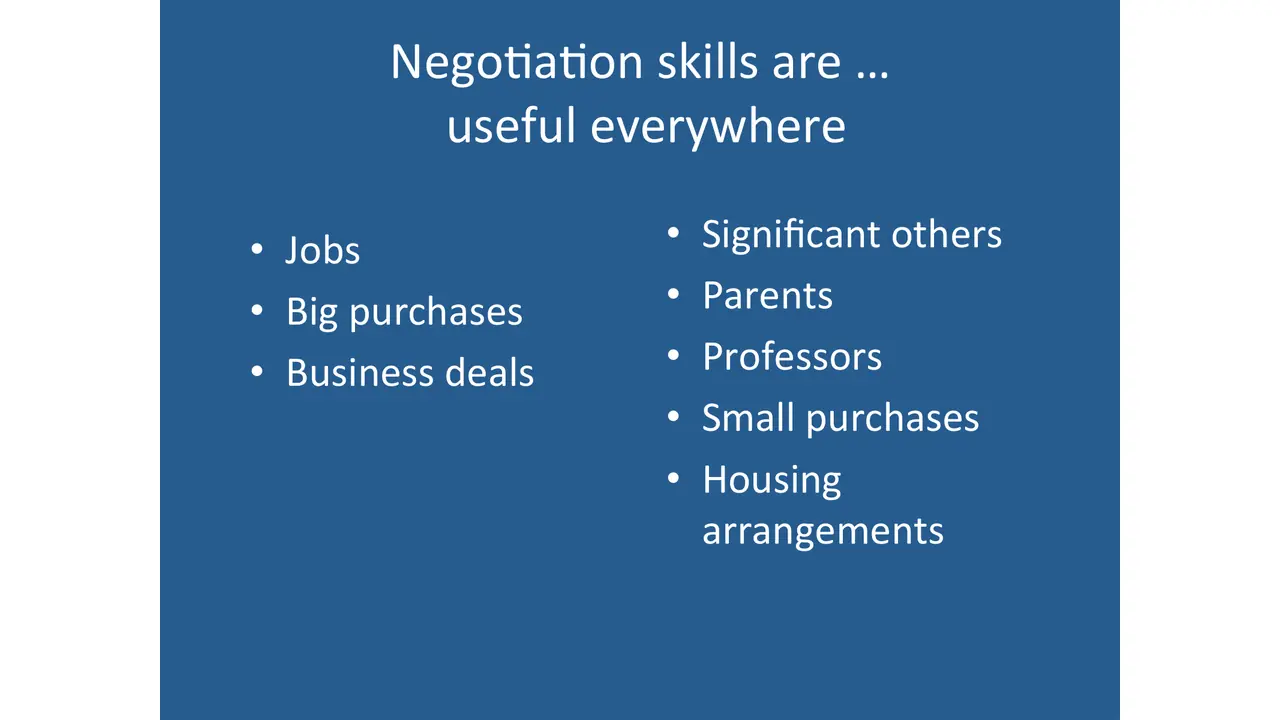
Slide: Negotiation skills are useful everywhere, from jobs to housing
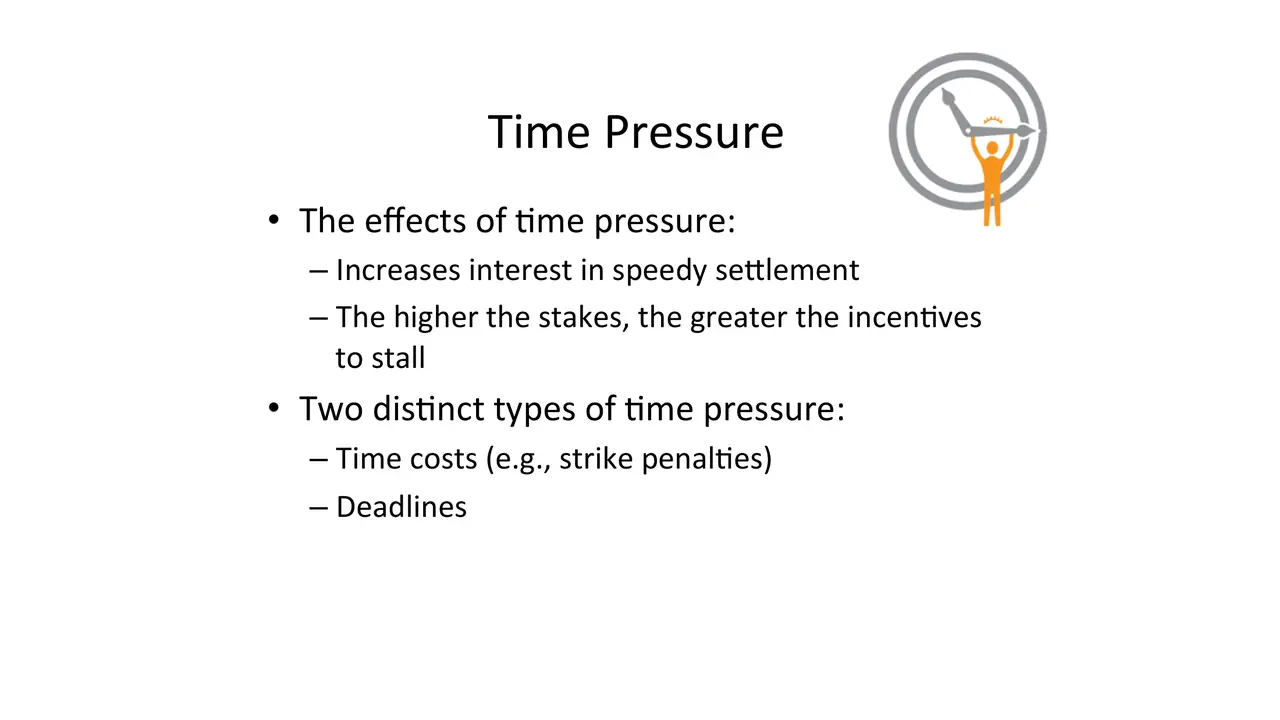
Slide: The effects of time pressure
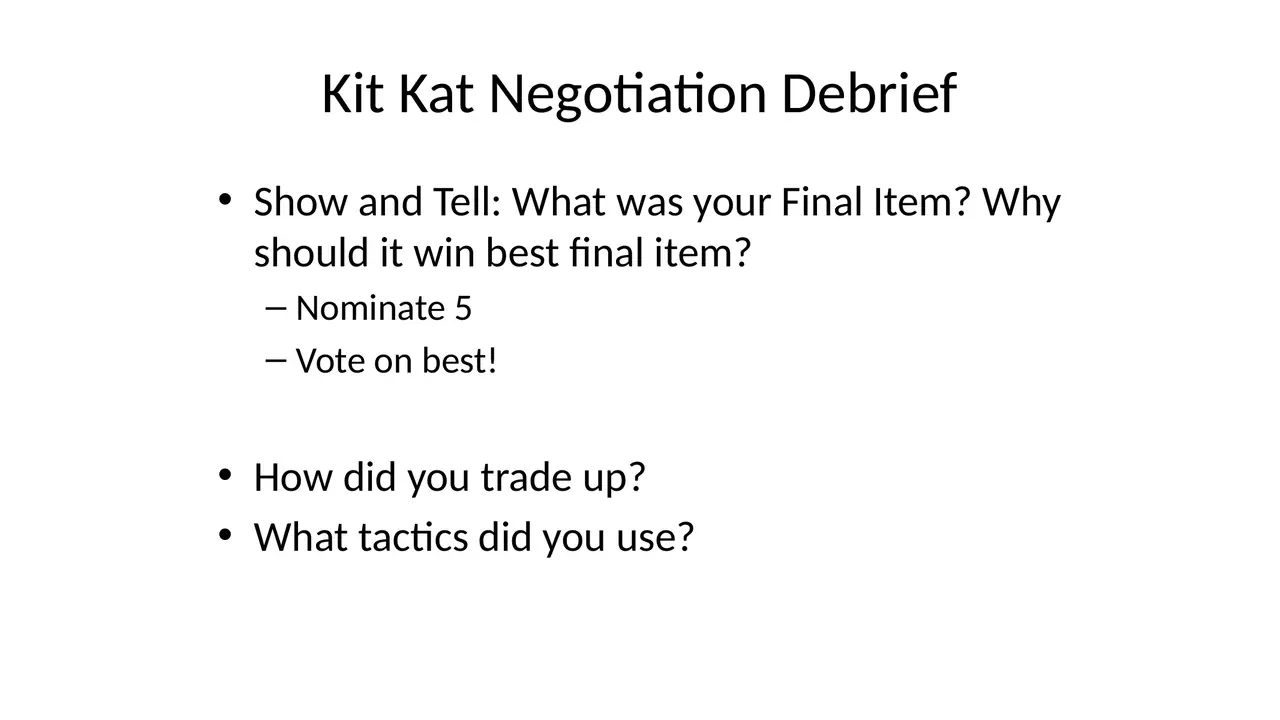
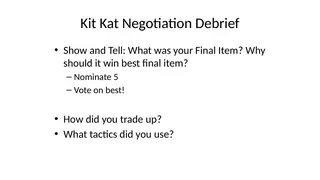
Slide: KitKat debrief: show your final item and how you traded up

slides from the decks
I taught from

Spring 2013 · Mondays and Wednesdays

Week by week

Scroll the schedule and the slides follow along: five from each session, picked from the decks I taught from.

  1. Part I: Claiming value
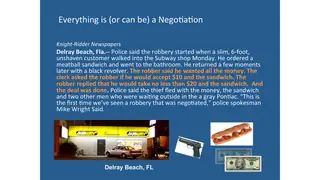
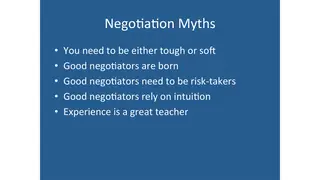
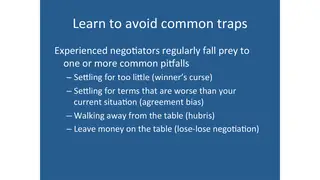
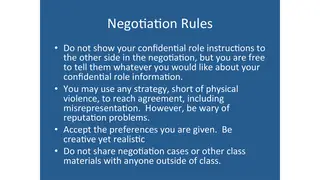
  2. W1Introduction, and a first negotiation: BioPharm-SeltekNegotiation skills are useful everywhere, from jobs to housingEverything can be a negotiation, even a robbery at a sandwich shopFive negotiation myths, starting with 'you have to be tough or soft'The common traps: winner's curse, agreement bias, hubris, lose-lose dealsThe ground rules for every role-play in the course
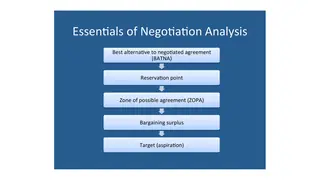
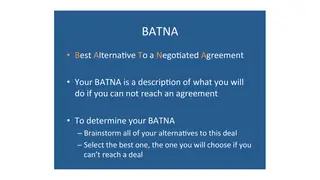
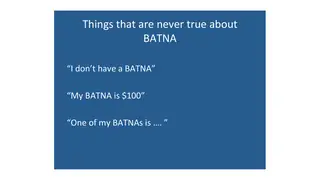
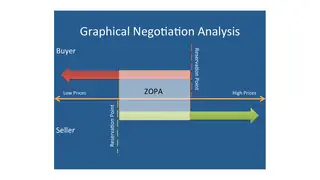
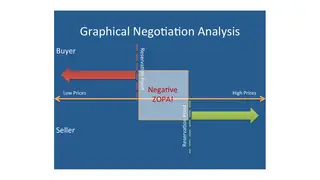
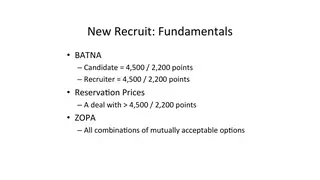
  3. W1Negotiation basics: BATNA, reservation point, ZOPAThe essentials of negotiation analysis, from BATNA to targetBATNA: what you will do if you cannot reach a dealThings that are never true about a BATNAThe zone of possible agreement between buyer and sellerWhen reservation points do not overlap, there is no deal to be had
  4. W2Distributive negotiation: Coffee ContractIn-class exerciseReading: Galinsky, 'Should you make the first offer?'
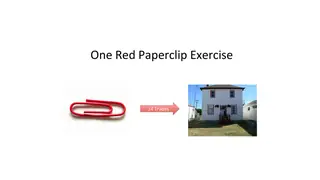
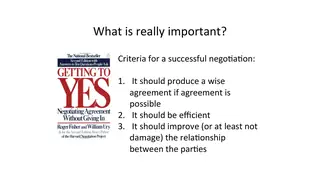
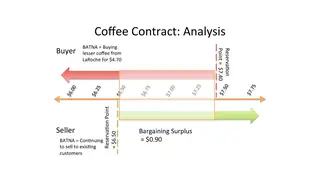
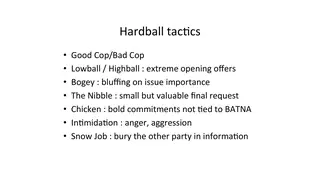
  5. W2Coffee Contract debrief and distributive tacticsOne red paperclip, traded up to a house in 14 tradesOur version: start with a KitKat and see how far you can tradeWhat really matters in a deal, by the standard of Getting to YesCoffee Contract: mapping each side's BATNA and the bargaining surplusHardball tactics and their names, from good cop/bad cop to the nibble
  6. Part II: Creating value
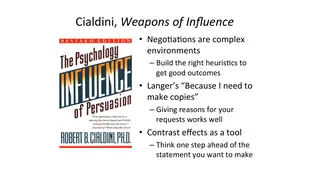
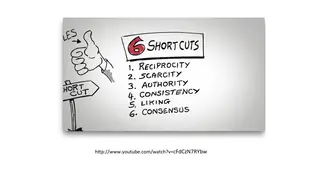
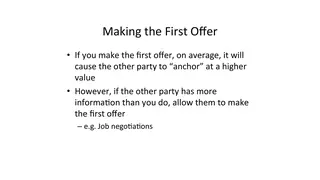
  7. W3Integrative negotiation: New RecruitCialdini's weapons of influenceSix shortcuts people use to decide whether to say yesShould you make the first offer?Making the first offer anchors the other side, unless they know more than youNew Recruit: BATNAs, reservation prices, and the ZOPA in points
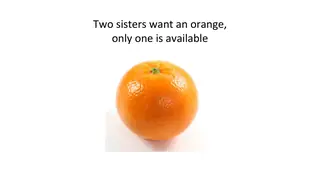
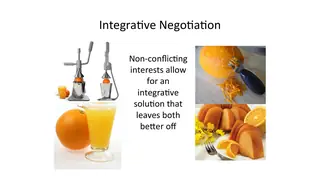
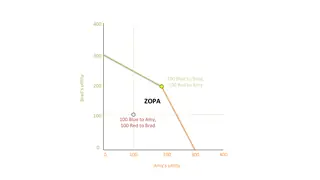
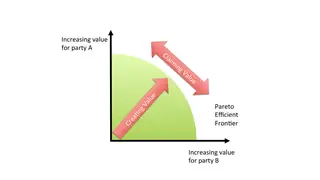
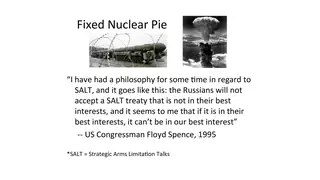
  8. W3Integrative negotiation: expanding the pieTwo sisters want one orangeNon-conflicting interests: one wants the juice, the other the peelTwo utility curves and the deals that make both people better offCreating value moves you toward the Pareto frontier, claiming value moves along itThe fixed pie belief, in the words of a congressman on arms control
  9. W4The Player: a movie deal between a director and a producerIn-class exercise
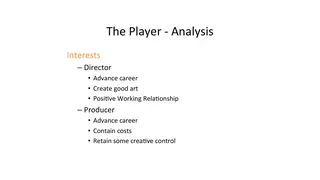
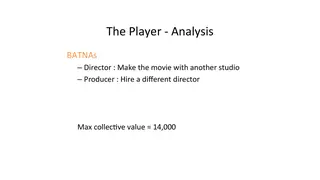
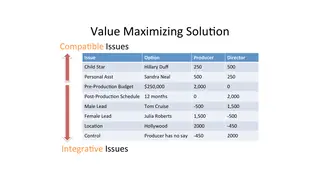
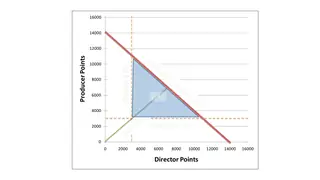
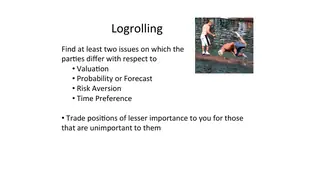
  10. W4The Player debriefThe Player: what the director and the producer each care aboutEach side's BATNA, and a maximum joint value of 14,000 pointsWhich issues were compatible and which were integrativePlotting the deals between the two reservation pointsLogrolling: trade the issues you care less about for the ones you care more about
  11. Part III: Ethics, emotion, and time
  12. W5Ethics and agents: Bullard HousesIn-class exerciseA real estate negotiation between agents who each represent a principal
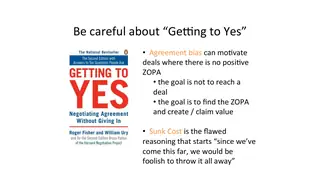
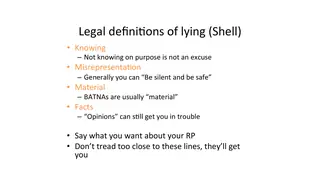
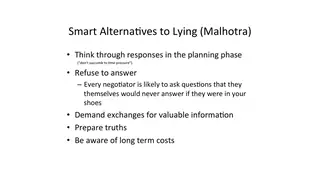
  13. W5Ethics and lyingBullard Houses is real: the Villard Houses on Madison AvenueBe careful about Getting to Yes: agreement bias and sunk costsThe real-world outcome: a hotel, after a preservation fightShell's legal definition of a lie: knowing, misrepresentation, material, factMalhotra's smart alternatives to lying
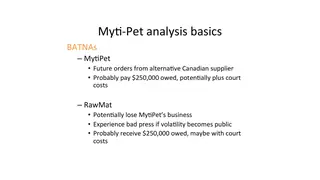
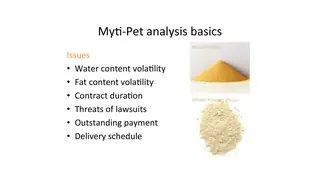
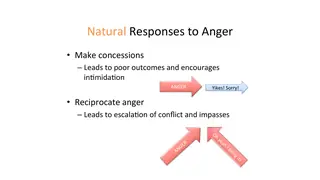
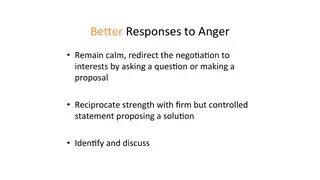
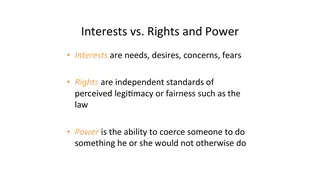
  14. W6Emotions and biases: Myti-PetMyti-Pet: each side's BATNA in a supplier disputeThe issues on the table, from water content to delivery scheduleNatural responses to anger lead to concessions or escalationBetter responses: stay calm and redirect to interestsInterests, rights, and power
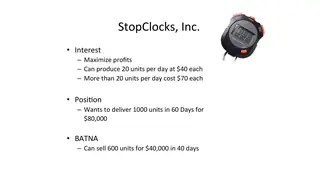
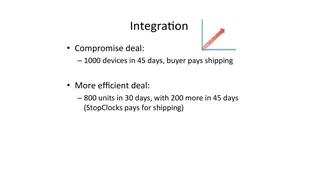
  15. W7Time and strategy: StopwatchStopClocks: interests, position, and BATNA for the sellerA compromise deal versus a more efficient oneThe effects of time pressureDeadlines: when to reveal yours and when to keep it quietTime costs versus deadlines
  16. W8Spring breakNo class
  17. Part IV: Conflict and third parties
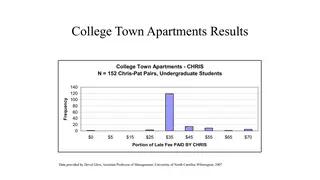
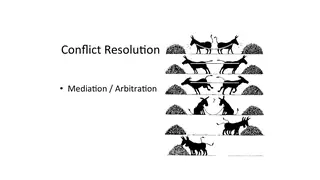
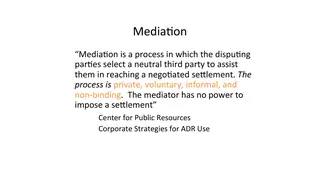
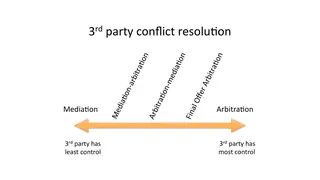
  18. W9Conflict resolution: College Town, mediation and arbitrationReading: Misino on hostage negotiationCollege Town: two roommates, their interests and their BATNAsHow 152 other pairs split the late feeConflict resolution: mediation or arbitrationMediation is private, voluntary, informal, and non-bindingFrom mediation to arbitration: how much control the third party has
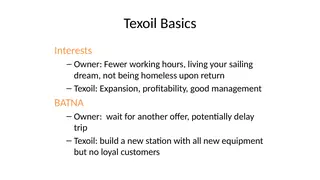
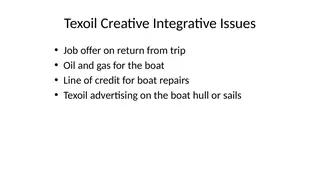
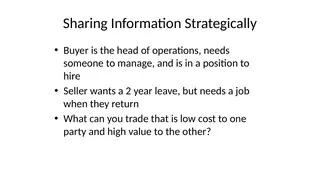
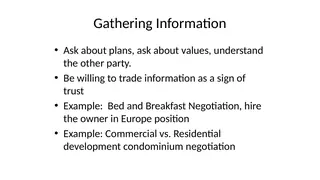
  19. W10Creative options: TexoilTexoil: a gas station owner who wants to go sailingCreative issues beyond price: a job on return, fuel for the boat, advertising on the hullSharing information strategicallyGathering information: ask about plans and values
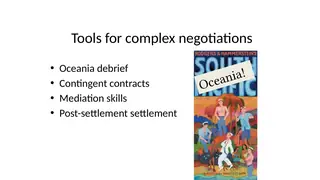
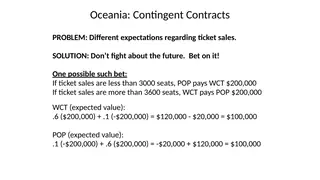
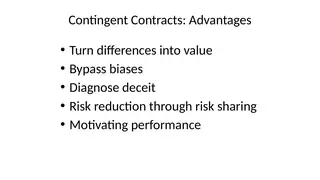
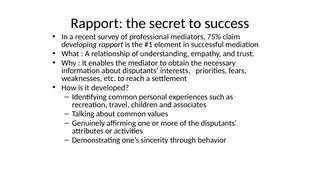
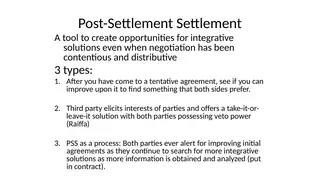
  20. W11Third parties and contingent contracts: OceaniaReading: Bazerman and Gillespie on contingent contractsTools for complex negotiationsOceania: don't fight about the future, bet on itWhat contingent contracts can doRapport is the first skill mediators namePost-settlement settlement: look for a better deal after you have one
  21. Part V: Groups, dilemmas, and culture
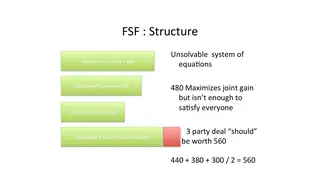
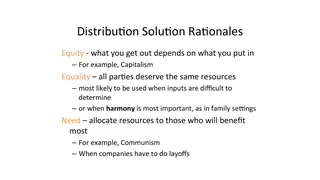
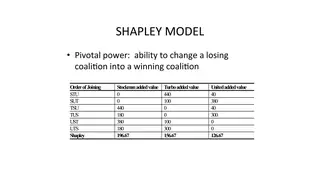
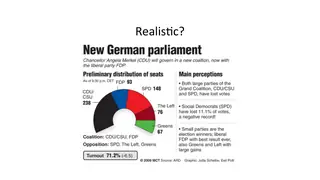
  22. W12Coalitions: Federated Science FundThree companies, and no split that satisfies every two-party coalitionEquity, equality, or need: rules for dividing the spoilsThe Shapley value: pivotal power in a coalitionCoalition math in the German parliamentJim Jeffords leaves the Republicans: one defection flips a coalition
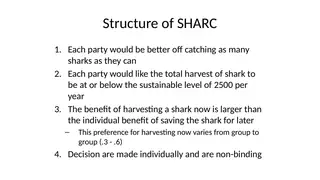
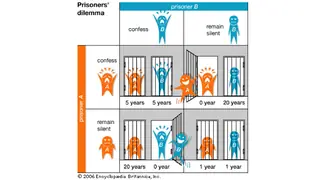
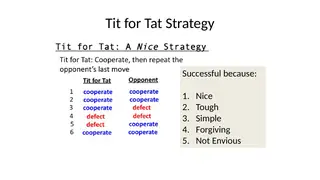
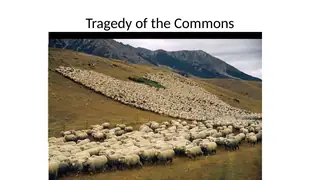
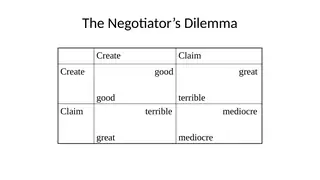
  23. W13Social dilemmas: SHARCReading: Krusch on the prisoner's dilemmaSHARC: each group gains from catching more sharks, the group needs fewerThe prisoner's dilemmaTit for tat: nice, tough, simple, forgiving, not enviousThe tragedy of the commonsThe negotiator's dilemma: create or claim
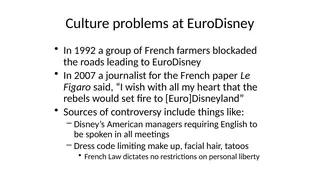
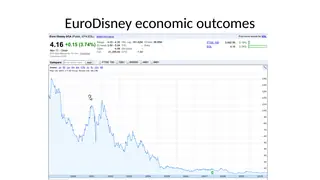
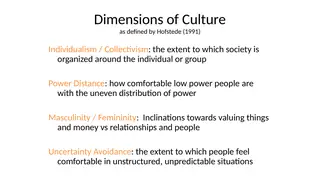
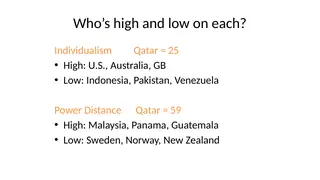
  24. W14Cross-cultural negotiation: MouseReading: Brett on negotiation and cultureMouse is real: Euro Disney outside ParisCulture problems at Euro Disney, from blockades to dress codesEuro Disney's share price after openingHofstede's dimensions of cultureWhere Qatar sits on individualism and power distance
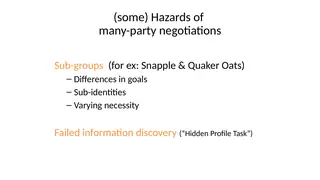
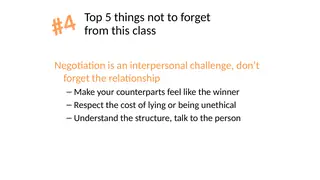
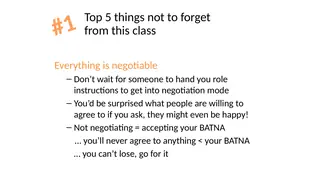
  25. W15Putting it together: Best Stuff on Earth, and the KitKat debriefKitKat debrief: show your final item and how you traded upHazards of many-party negotiations: sub-groups and hidden informationDeciding as a group can produce a choice no one would make aloneNegotiation is an interpersonal challenge, so don't forget the relationshipThe top lesson: everything is negotiable

What students hand in

Major assignments

  • Real world negotiation paper35%
  • Post-negotiation journals25%
  • Pop quizzes15%
  • Attendance and class discussion15%
  • Negotiation plans10%
fig. 1 · weight of each major assignment in the grade
Real world negotiation paper 35%

Plan and carry out a negotiation outside class for anything you would actually be willing to buy or sell, then write it up in 2,000 words or fewer. The best papers built a scoring system for their own interests, estimated the other side's reservation price with honest uncertainty, and were self-critical about what they left on the table.

Post-negotiation journals 25%

Three two-page journals over the semester, each sent to the instructor and to the other people in that negotiation. The point was reflection on what you were thinking, not a blow-by-blow account, and the counterpart's journal gave a rare view from the other side.

Pop quizzes 15%

Five quizzes through the semester on the readings and concepts.

Attendance and class discussion 15%

Every negotiation needs a prepared partner, so missing one without arranging a substitute cost a third of a letter grade.

Negotiation plans 10%

A planning document handed in for each in-class negotiation: issues and their values, BATNA, reservation price, target, sources of power, and an opening move.

KitKat trade-up

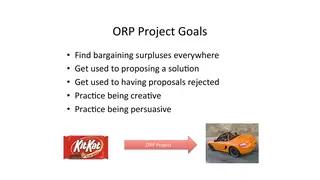
Modeled on the One Red Paperclip story. Each student started with a KitKat and made at least three trades, logging every one, then wrote a one-page analysis of the tactics they used. On the last day the class voted on the best final item. It counted toward participation.

In their words

What students say

4.72 out of 5 average teaching rating · 1 section · 18 student responses · all evaluations

This is a very interesting course because it allows us, the students, to learn by doing, rather listening to lectures.

Spring 2013

I really enjoyed this course and I would say that it's the best class that I've taken in cmu so far.

Spring 2013

A really great, enjoyable, and beneficial course. The instructor is helpful, provides feedback, and explains the concepts in a well presented manner.

Spring 2013

Offerings

When I taught it

  • Spring 2013

All courses