

Ben Collier, PhD Book a call →free, 15 minutes

Tepper / CMU Qatar · Undergraduate Course
I built

Managing and Assessing Tech Talent and Organizations

How to hire, develop, and evaluate technical people using evidence instead of instinct.

A micro-course I developed on managing technical talent: how to interview for technical and data roles, onboard new hires, run technical projects with OKRs, and manage performance. I wrote it for undergraduates, and it ran for the first time at CMU Qatar in Fall 2025.

  • Fall 2025, Mini 2, CMU Qatar
  • Wednesdays on Zoom, plus three in-person sessions in Doha
  • Course number 70-377
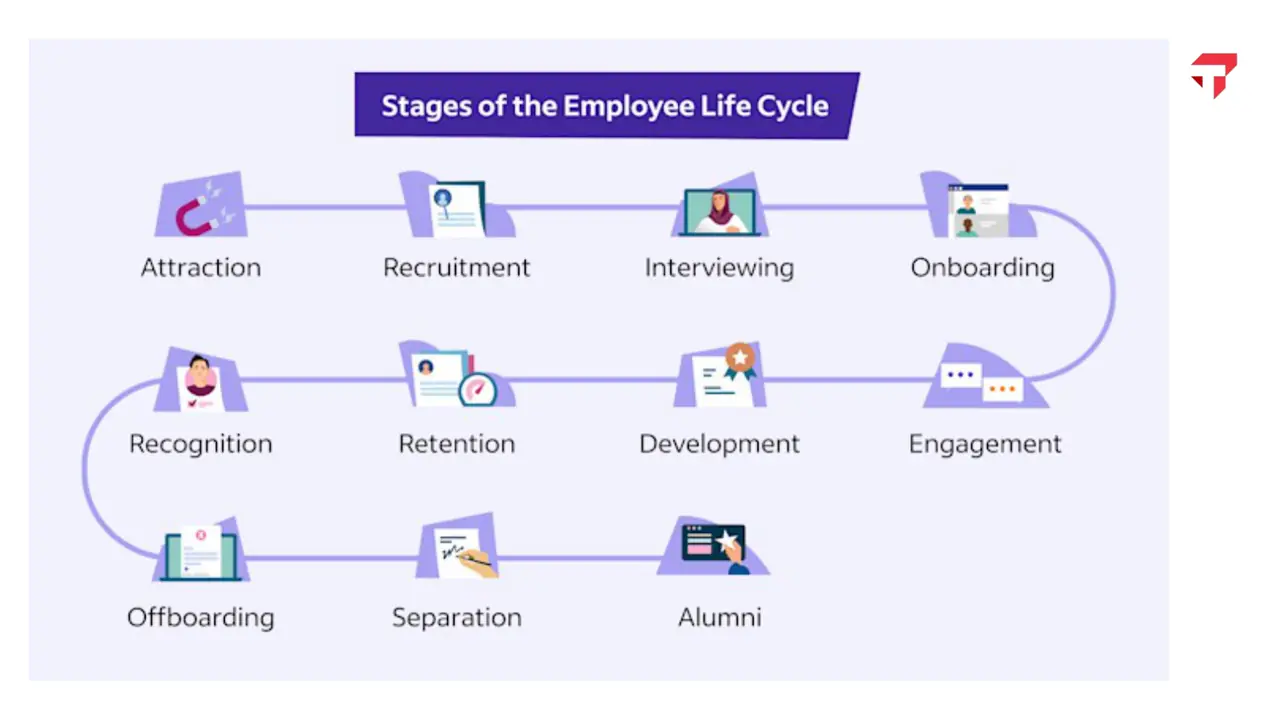
Slide: Stages of the employee life cycle
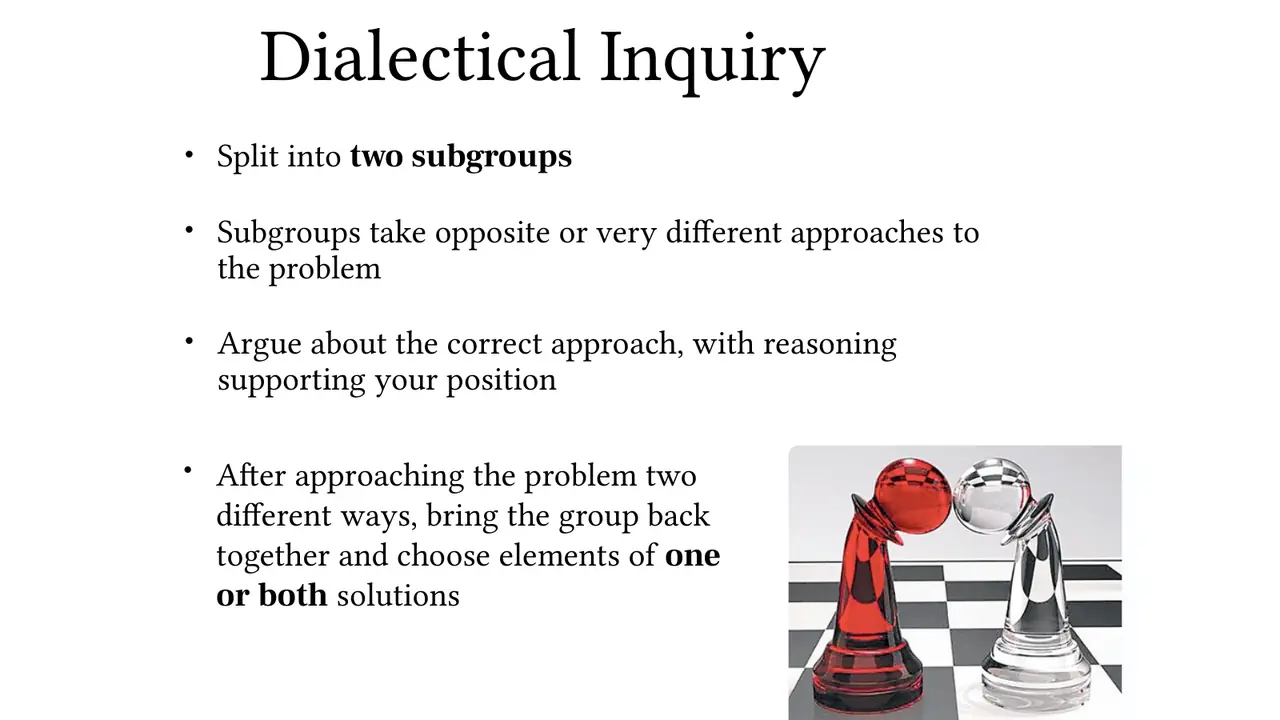
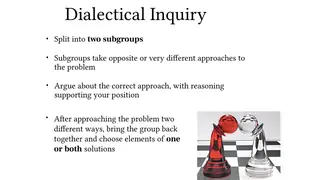
Slide: Dialectical inquiry: argue both sides on purpose
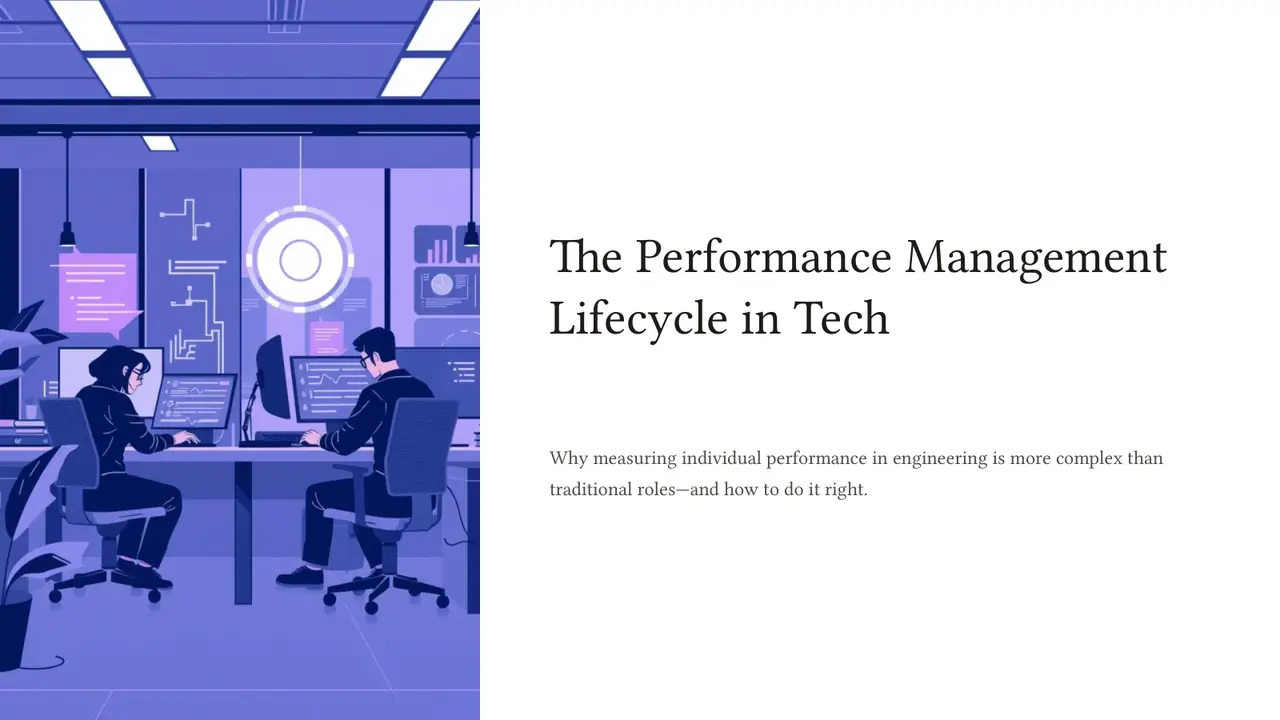
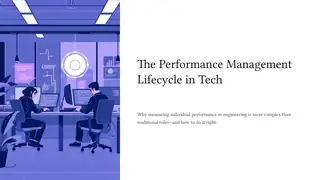
Slide: The performance management lifecycle in tech

slides from the decks
I taught from

Fall 2025, Mini 2, CMU Qatar · Wednesdays on Zoom, plus three in-person sessions in Doha

Week by week

Scroll the schedule and the slides follow along: five from each session, picked from the decks I taught from.

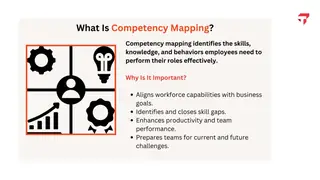
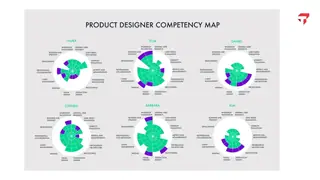
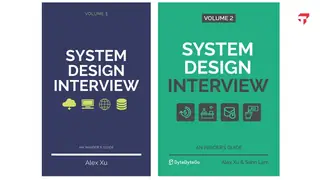
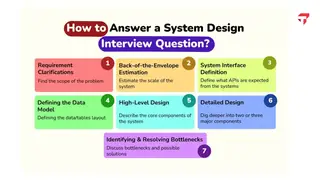
  1. M1Interviewing Approaches and Strategies for Software Development RolesStages of the employee life cycleWhat is competency mapping?A product designer competency mapThe standard references for system design interviewsHow to answer a system design interview question
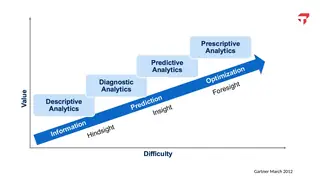
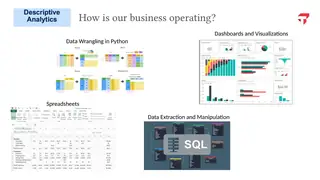
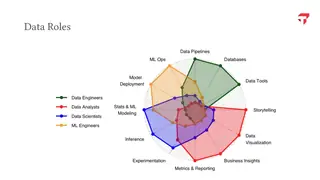
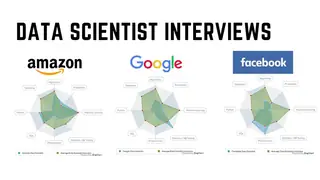
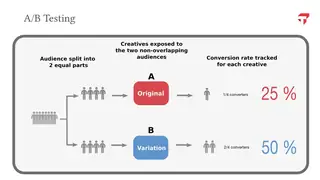
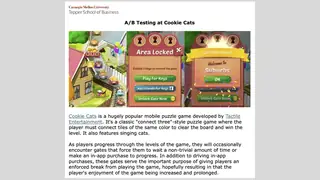
  2. M2Interviewing Approaches and Strategies for Data and Quantitative RolesFrom descriptive to prescriptive analyticsDescriptive analytics: how is the business operating?The skills that separate data rolesHow Amazon, Google, and Facebook interview data scientistsA/B testing at Cookie Cats
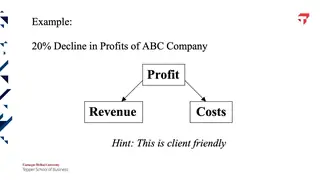
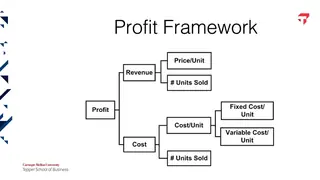
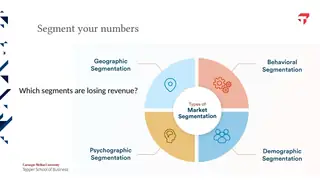
  3. M3Case Interviews and Behavioral InterviewsCase: A/B testing at Cookie CatsWarm-up: is Volvo really the safest car in America?Breaking a 20% profit decline into revenue and costsThe profit frameworkSegment your numbers before you explain them
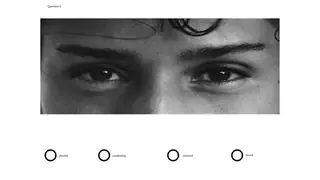
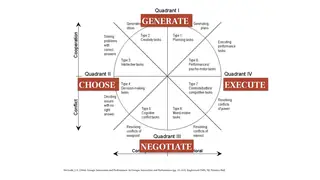
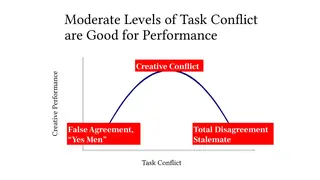
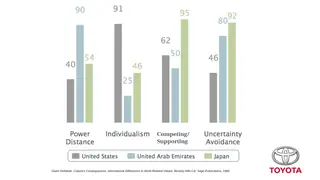
  4. M4Running Technical Projects: creating an innovative cultureIn person, DohaReading the Mind in the Eyes: a test of social sensitivityMcGrath's circumplex of group tasksWhen teams have to speak up: the cockpitModerate task conflict is good for performanceHofstede's dimensions: the United States, UAE, and Japan
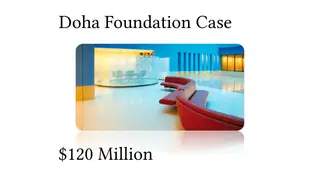
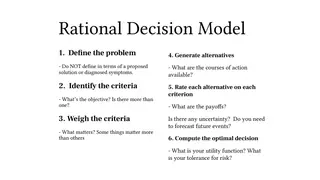
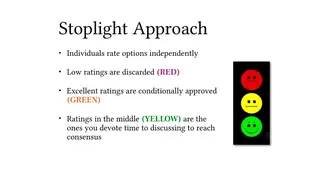
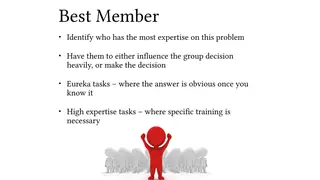
  5. M4Running Technical Projects: Doha Foundation group decision caseCaseIn person, DohaDoha Foundation case: allocate $120 millionThe rational decision modelDialectical inquiry: argue both sides on purposeThe stoplight approach to group ratingsThe best-member method
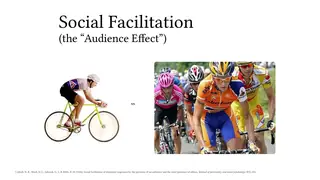
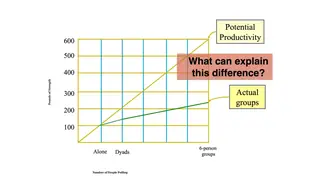
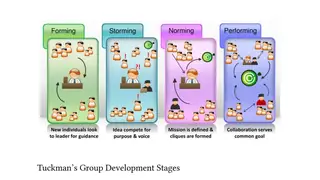
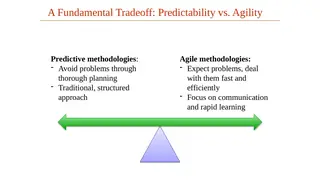
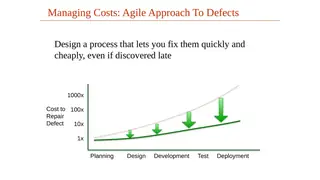
  6. M4Running Technical Projects: effective teams and development methodologiesIn person, Doha. Four-hour Saturday sessionSocial facilitation: we ride faster with an audiencePotential versus actual productivity as groups growTuckman's stages: forming, storming, norming, performingThe fundamental tradeoff: predictability versus agilityAgile: find and fix defects early and cheaply
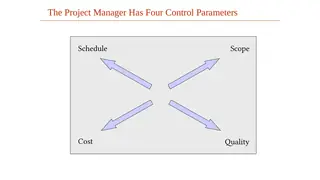
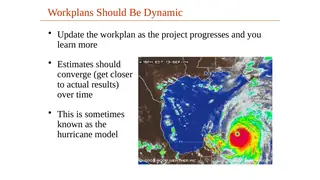
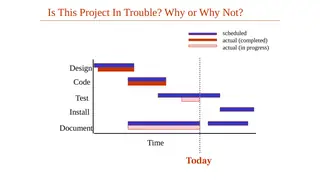
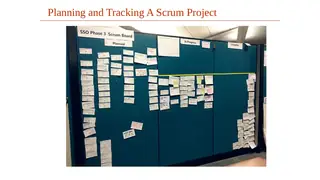
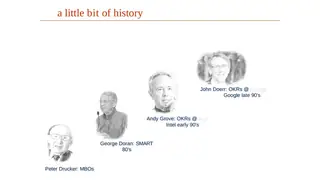
  7. M5Project Management and Setting Objectives (OKRs)The project manager's four levers: schedule, scope, cost, qualityWorkplans should be dynamic, like a hurricane forecastIs this project in trouble? Reading a Gantt chartPlanning and tracking a Scrum project on the wallA short history of OKRs, from Drucker to Google
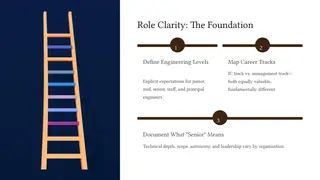
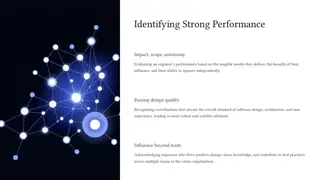
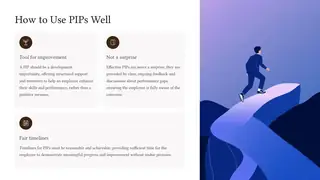
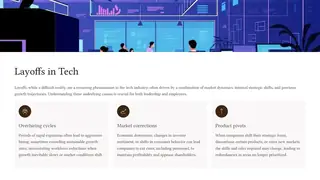
  8. M6Managing Performance, Promotion, and TerminationThe performance management lifecycle in techRole clarity: the foundationIdentifying strong performanceHow to use performance improvement plans wellLayoffs in tech

Method

How the course works

Students sit on both sides of the interview table. In live mock interviews on Zoom they rotate through interviewer, candidate, and observer, using the formats large tech companies use: live coding, data take-homes, case interviews, and behavioral interviews. Candidates may solve the coding problems in a spreadsheet, so business students take part alongside computer science students.

The in-person week in Doha turned to teams and culture. Groups allocated a $120 million fund across twenty proposals, analyzed a case on leading a global team, and rescued a failing mobile banking project by cutting its scope and writing recovery OKRs.

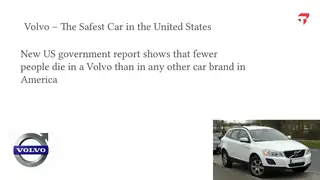
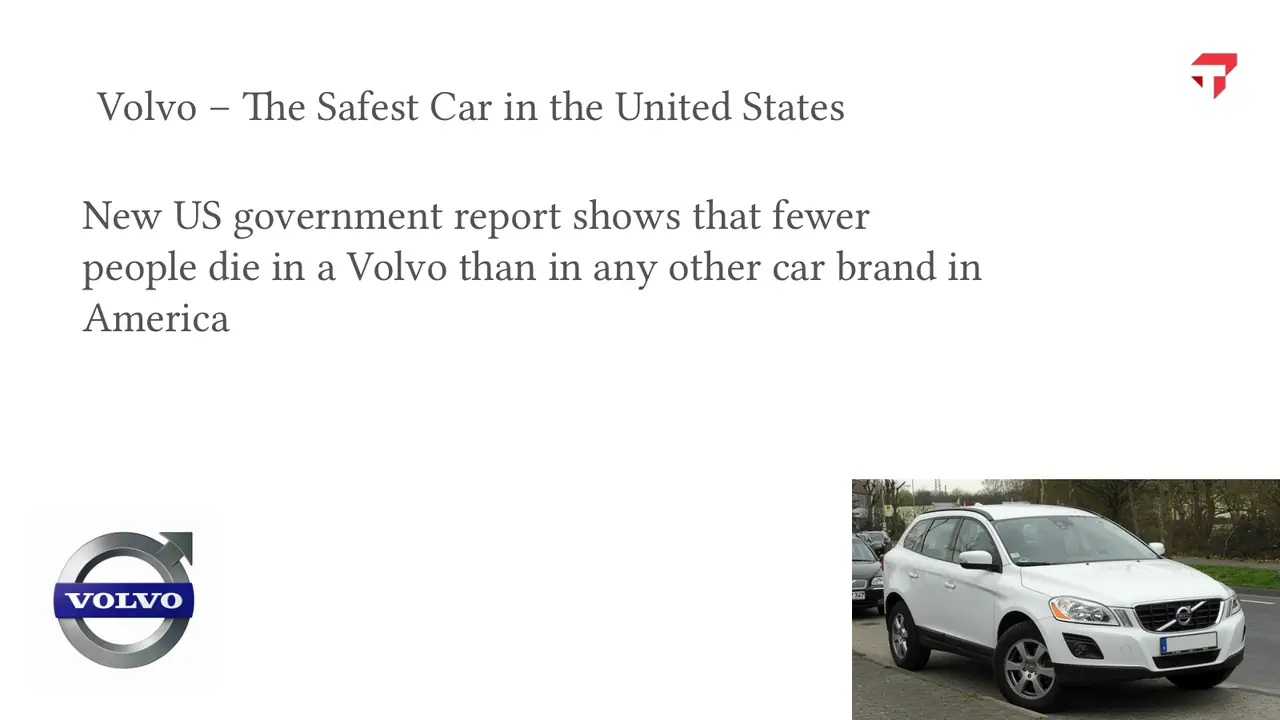
Warm-up: is Volvo really the safest car in America?
fig. 1 · Warm-up: is Volvo really the safest car in America?

What students hand in

Major assignments

  • Mock interviews and reflections50%
  • Group case analyses40%
  • Management reflection10%
fig. 2 · weight of each major assignment in the grade

Mock interviews and reflections 50%

Students rotate through interviewer, candidate, and observer in three rounds: a coding interview, a data task built on the Cookie Cats mobile game A/B test, and a consulting-style case (Heartcorp, pricing a new cardiac stent). The interviewer scores the candidate against a rubric, and everyone writes a one to two page reflection on what the other side of the table taught them.

Onboarding plan

A two to three page 30/60/90-day onboarding guide for a new technical hire, built around a small first win, or a critique and redesign of a real company's public onboarding program such as GitLab's.

Group case analyses 40%

Cases worked in teams during the in-person week in Doha. In the Doha Foundation case, a funding board has $120 million and twenty reviewed proposals; each group uses an assigned decision method, from the rational model to dialectical inquiry to Delphi, and reports what it learned about deciding across cultures. In Managing a Global Team, a 45-person support team at Sun Microsystems spread across four countries misses an outage; teams diagnose the root causes and present a 30-day plan. Project Phoenix is a mobile banking app at month four of six, with 70% of the budget spent and 40% of the features done.

Management reflection 10%

A short paper on the strategy and tactics each student will use when they manage technical people.

What students built

Student work

Every project, by term.

Group case: Managing a Global Team at Sun Microsystems, Fall 2025 3 projects
  • Team 1. One team traced the outage to unclear cross-site ownership, cultural misreadings and leadership communication. It recommended a single global escalation protocol, rebuilding the support queue with cross-site validation, a leads-only international meeting, site-by-site trust conversations and letting sites act without waiting for the U.S., with a global team charter of shared norms as the long-term change. Root causes, a 30-day plan, and one long-term change
  • Team 2. A second team blamed the absence of global process ownership, over-reliance on the U.S. team and cultural friction. It proposed manager-level cross-site reviews, sharing decisions with all sites at once, one emergency rule, a single owner for customer data and a rotating time-zone meeting schedule (U.S.-, Asia- and Euro-Asia-priority slots), plus an annual rotating in-person retreat and a unified Global Operations Playbook. Root causes, a 30-day plan, and one long-term change
  • Team 3. A third team stressed low trust, perceived inequity in task allocation and pay, and weak cultural awareness. It recommended a weekly global sync at rotating times with local pre-meetings, giving high-visibility work to the India and UAE sites, documenting decisions within 24 hours, a clear outage process and regional listening sessions with 1:1s, plus a company-wide 'Global Operating System' as the long-term change. Root causes, a 30-day plan, and one long-term change

Revision history

How the course developed

I proposed this micro-course to Carnegie Mellon in Qatar in February 2025 and taught it in Fall 2025. Most sessions met on Zoom in the evening, Doha time, and the middle block met in person in Doha over three days. It was open to technical and business students with no prerequisites.

Offerings

  • Fall 2025, CMU Qatar

Enrolled students received the materials on Canvas.

All courses