


Ben Collier, PhD Book a call →free, 15 minutes

Tepper · Undergraduate Course
I built

Artificial Intelligence for Business Leaders

Where AI creates value in a business, where it does not, and how to explain the difference to the people paying for it.

An undergraduate course on how AI is changing organizations and the decisions managers make. The first part covers how AI works, from expert systems to machine learning, neural networks, and large language models. The second part puts students to work with AI agents on business problems. The third looks at AI in marketing, finance, people analytics, operations, and strategy, and at the ethics, economics, and regulation that decide whether adoption lasts. The semester project has three tracks. Teams can act as an AI investment committee for a real public company, build and red-team an AI agent, or try to earn $100 with a business that uses AI.

  • Fall 2026
  • Tuesdays and Thursdays
  • Course number 70-445
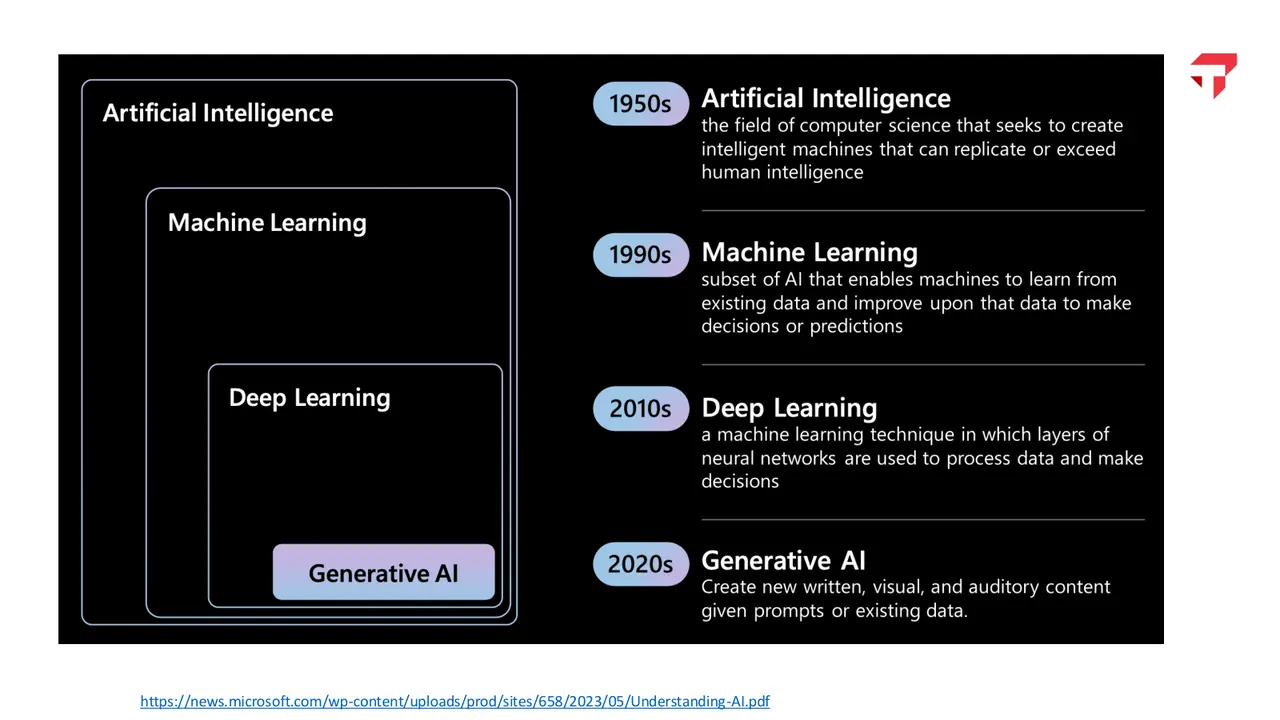
Slide: AI, machine learning, deep learning, generative AI: how the terms nest
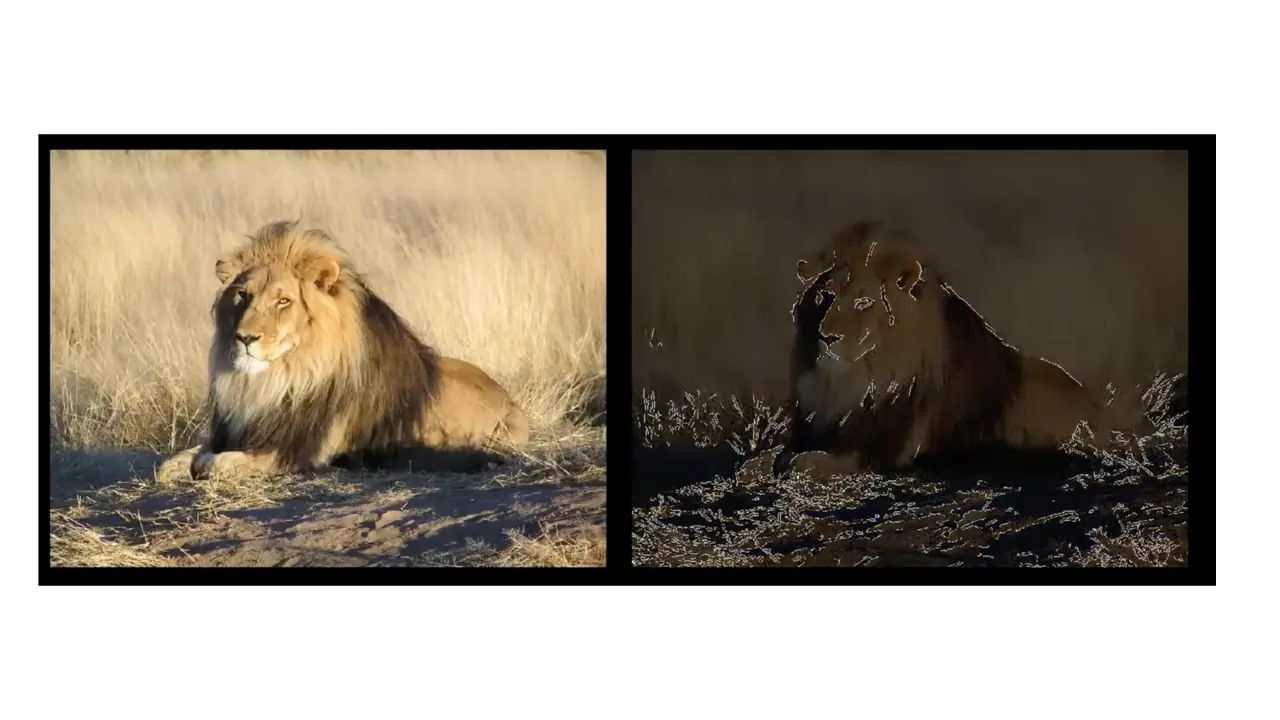
Slide: Spotting a lion: easy for people, hard for machines
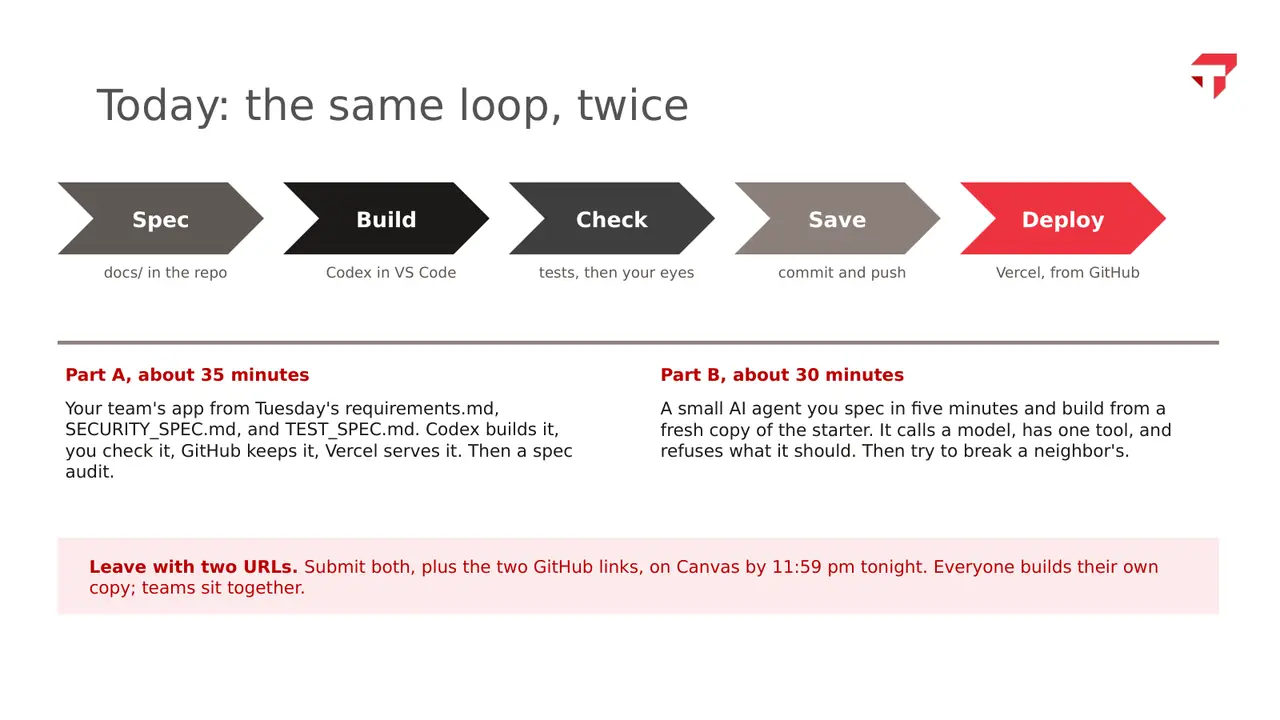
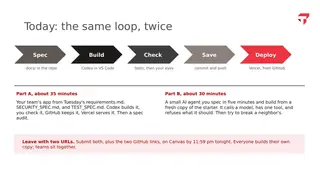
Slide: Today: spec, build, check, save, deploy, twice

slides from the decks
I taught from

Fall 2026 · Tuesdays and Thursdays

Week by week

Scroll the schedule and the slides follow along: five from each session, picked from the decks I taught from.

  1. Part I: AI Foundations
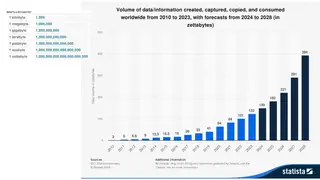
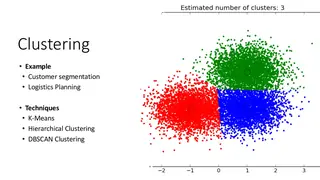
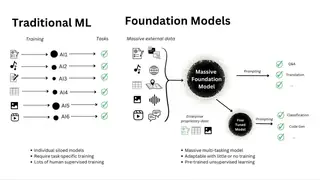
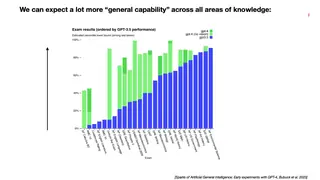
  2. W1Course Introduction: What is AI, and why now?AI, machine learning, deep learning, generative AI: how the terms nestThe volume of data created worldwide, 2010 to 2028Clustering: finding groups nobody labeledTraditional machine learning versus foundation modelsExpect a lot more general capability across every area of knowledge
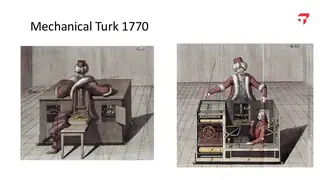
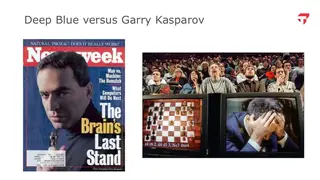
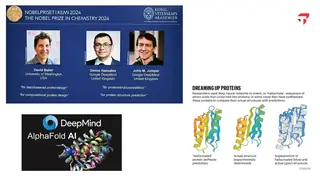
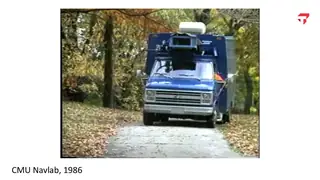
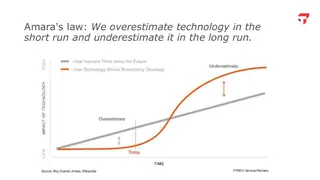
  3. W1A Short History of AIThe Mechanical Turk, 1770: the first AI hoaxDeep Blue versus Garry Kasparov, 1997AlphaFold and the 2024 Nobel Prize in ChemistryCMU Navlab, 1986: a self-driving van built a few hundred yards from classAmara's law: we overestimate the short run and underestimate the long run
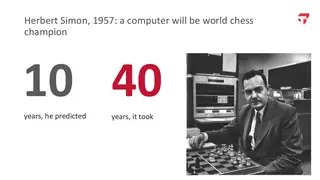
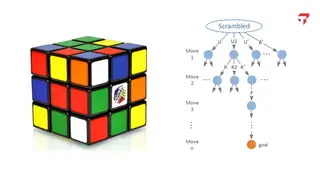
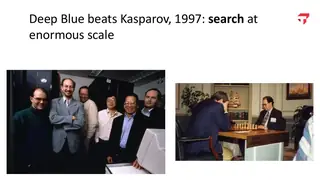
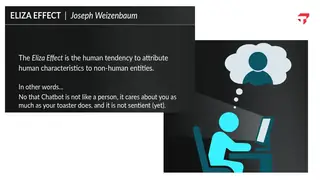
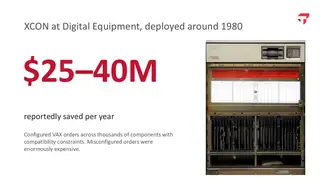
  4. W2Rules, Search, and Expert SystemsHerbert Simon predicted a chess champion in 10 years. It took 40.Search: every move is a branch in a tree of statesDeep Blue beat Kasparov in 1997 with search at enormous scaleThe ELIZA effect: people read minds into machinesXCON at Digital Equipment saved a reported $25 to 40 million a year
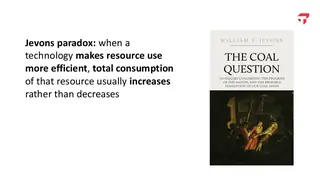
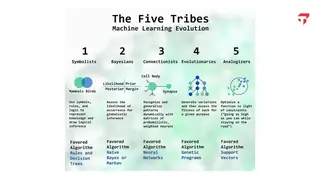
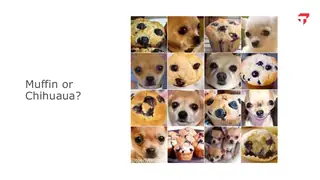
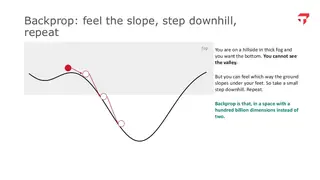
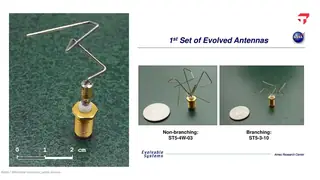
  5. W2The Five Tribes of Machine LearningJevons paradox: cheaper coal meant more coal burned, not lessThe Five Tribes of machine learningMuffin or chihuahua? You can spot it. Now write the rule.Backpropagation: feel the slope, step downhill, repeatNASA's evolved antenna: search found a shape nobody would draw
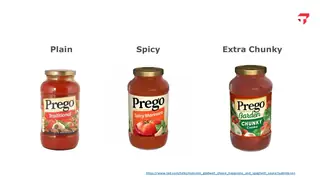
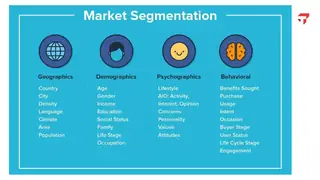
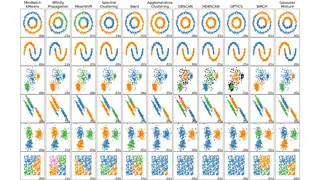
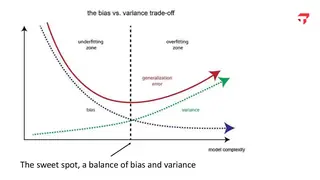
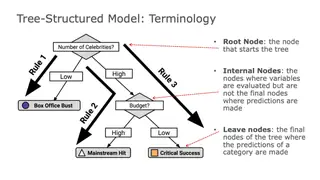
  6. W3Machine Learning FundamentalsPlain, spicy, or extra chunky: how Prego found its segmentsMarket segmentation by geography, demographics, psychographics, and behaviorClustering algorithms behave very differently on the same dataBias versus variance: finding the sweet spotDecision trees: the vocabulary of roots, splits, and leaves
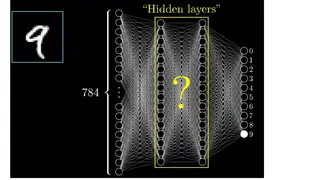
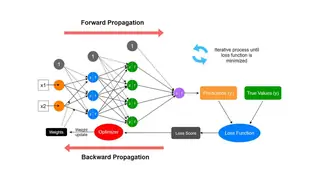
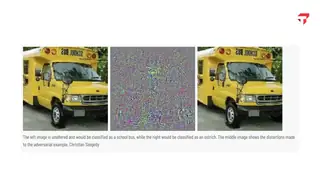
  7. W3Neural Networks and Deep LearningImages are numbers: a handwritten 3 as a grid of pixelsHidden layers between the pixels and the answerSpotting a lion: easy for people, hard for machinesForward propagation and backpropagationAdversarial examples: tiny noise, completely different answer
  8. W4No classNo class
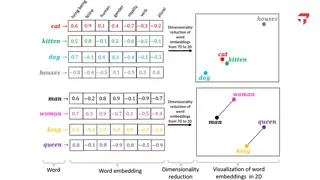
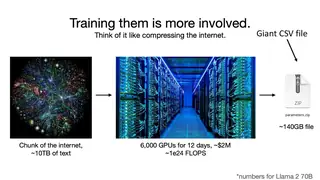
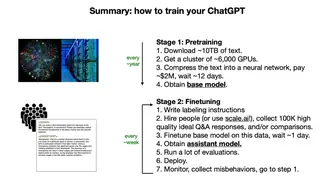
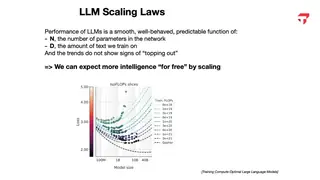
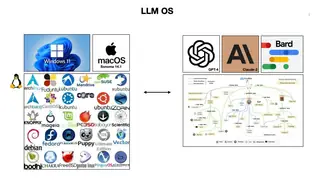
  9. W4How Large Language Models WorkWord embeddings: words as points in spaceTraining a model is more like compressing the internetHow to train your ChatGPT: pretraining, then fine-tuningScaling laws: more parameters, data, and compute, predictably betterThe LLM as an operating system
  10. Part II: Working with AI Agents to Solve Business Problems
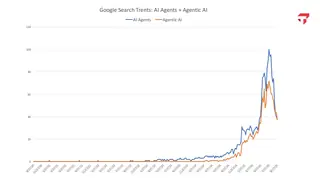
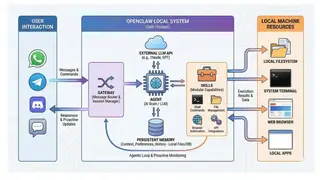
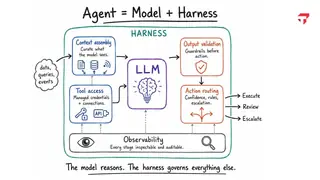
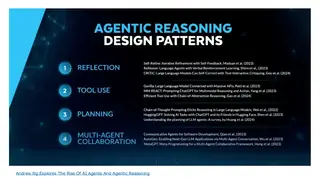
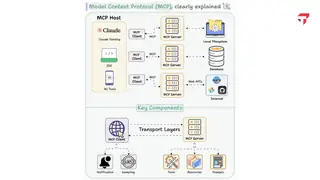
  11. W5Agentic AI and AI WorkflowsGoogle search interest in AI agents and agentic AIInside an agent system: channels, gateway, model, tools, memoryAgent = model + harnessAgentic reasoning design patterns: reflection, tool use, planning, collaborationModel Context Protocol: one standard plug for every tool
  12. W5Agentic AI and AI WorkflowsIn-class exercise
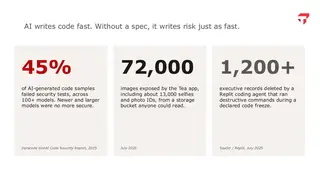
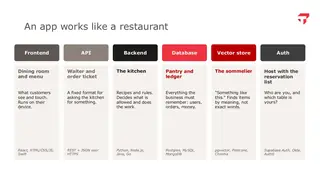
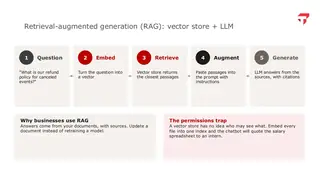
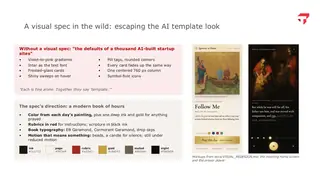
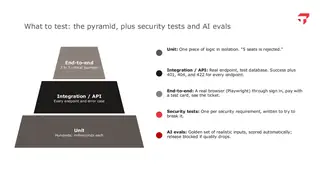
  13. W6Software Development with AI AssistanceAI writes code fast. Without a spec, it writes risk just as fast.An app works like a restaurant: front of house, kitchen, pantryRetrieval-augmented generation: search by meaning, then answerA visual spec in the wild: escaping the AI template lookWhat to test: the pyramid, plus security tests and AI evals
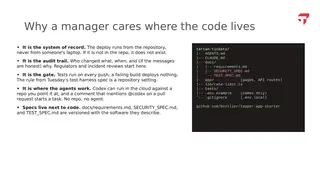
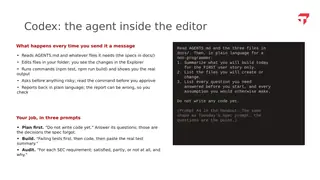
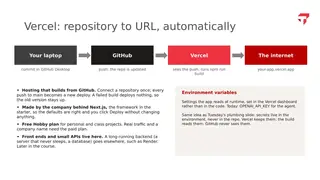
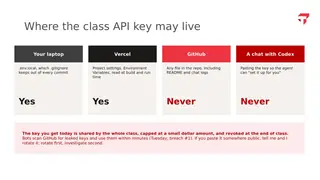
  14. W6Software Development with AI AssistanceIn-class exerciseToday: spec, build, check, save, deploy, twiceWhy a manager cares where the code livesCodex: the agent inside the editorVercel: from repository to live URL, automaticallyWhere the class API key may and may not live
  15. Part III: AI and Business
  16. W7AI in Marketing
  17. W7AI in MarketingIn-class exercise
  18. W7Fall breakNo class
  19. W8AI in FinanceGuest lecture
  20. W8AI in FinanceIn-class exercise
  21. W9AI in HR and People Analytics
  22. W9AI in HR and People AnalyticsIn-class exercise
  23. W10No class: Democracy DayNo class
  24. W10AI Ethics: Bias and Fairness
  25. W11AI in Operations and Supply Chain
  26. W11AI in Operations and Supply ChainIn-class exercise
  27. W12The Economics of AI
  28. W12AI Strategy and Competitive Advantage
  29. W13Governance, Risk, and Regulation
  30. W13No class: ThanksgivingNo class
  31. W14Group Project PresentationsPresentations
  32. W14Group Project Presentations and Course Wrap-UpPresentations

Method

How the course works

The agents lab sits at the center of the course. Students build a customer support team of AI agents for a fictional outdoor retailer, a manager and three specialists, then test it to find where it fails.

The history of AI is taught through its predictions and its failures, with a lot of Pittsburgh in it: Newell and Simon's Logic Theorist, the Navlab van, XCON. In the third class a coding agent built puzzle solvers live while students placed their bets. A solver a student wrote by hand in 2017 scored 34 of 96 on Raven's Matrices. By the end of class the language model solver had about 86, and it claimed 99% confidence on every answer. The finished version, on the Coding with AI Projects page, scores 93.

Students learn to judge where AI creates value and to defend a recommendation to executives. Much of the work is written that way: response memos, a briefing on a current AI topic, and in-class exercises like the fraud vendor above.

In-class exercise: the 99% accurate fraud vendor
Transactions a day100,000
Fraud rate0.5%
Transactions the model flags1,490
Flags that are real fraud495
Cost of a review / a missed fraud$12 / $400

At a 0.5% fraud rate, buying pays. Sell the same model to a client with 0.01% fraud and the decision flips.

What students hand in

Major assignments

  • Final project20%
  • Homework20%
  • Current Topics in AI presentation10%
  • Reading and video response memos10%
  • Quizzes20%
  • Participation and in-class exercises20%
fig. 2 · weight of each major assignment in the grade

Final project 20%

Teams of two to four pick one of three tracks. In the AI Investment Committee track, the team acts as the AI steering committee of a real public company, working only from public sources: diagnose the business and its readiness, score a portfolio of use cases, prototype the lead idea, cost out build versus buy, register the risks, and defend a recommendation to the board in December. In Building and Breaking an AI Agent, teams design an agent that supports a recurring business decision, then red-team another team's agent and say exactly where it breaks. In Make $100, teams start an AI-enabled business and earn real revenue. The grade is the insight, not the money: a team that earns nothing and can explain precisely why will outscore one that earns two hundred dollars and cannot.

Homework 20%

Hands-on exercises outside class. Homework 1, Predictions, asks students to autopsy a famous AI prediction (what exactly was claimed, what happened, why it went right or wrong) and then make a checkable prediction of their own, with peer review. Homework 2, Machine Learning Principles, is all in the browser: train a small neural network on churn-shaped data in TensorFlow Playground, train an image classifier and find the photos that fool it, cost out a real AI experiment, and watch a tokenizer turn text into numbers.

Current Topics in AI presentation 10%

Teams of two to four open a class with an 8 to 10 minute briefing: either a deep dive on an AI product launched or piloted in the last six months (the customer problem, data and methods, safety, competition), or a fair, sourced explainer of a live AI debate such as copyright and training data.

Reading and video response memos 10%

One-page responses to a prompt. Memo 1 follows the 3Blue1Brown deep learning series and asks what a trained network actually learned, and what it does when handed pure static.

Quizzes 20%

A short weekly quiz on Canvas covering the prior week, three attempts, no AI unless stated.

Participation and in-class exercises 20%

Most sessions include a graded exercise: assigning cases to the five tribes, the 99-percent-accurate vendor, building an agent workflow, and shipping an app from spec to live URL.

What students built

Final projects

The first final projects are due in December 2026, in three tracks: an AI investment committee for a real public company, building and breaking an AI agent, and trying to make $100 with an AI-enabled business. Revenue is not the grade. A team that earns nothing and can explain exactly why will outscore a team that earns $200 without insight.

Revision history

How the course developed

I started designing this course in February 2026 and taught it for the first time on August 25, 2026. It is open to undergraduates with no prerequisites. About forty students enrolled in the first section, and several had already used AI at work during a summer internship.

My first plan built the opening weeks around Pedro Domingos' The Master Algorithm and included a block on AI hardware and compute. Before the term began I dropped the hardware block, added a session on rules, search, and expert systems, and moved agentic AI and software development with AI assistance up to weeks five and six, so students work with agents before the course turns to AI in each business function.

Offerings

  • Fall 2026

There is no required textbook. Enrolled students find the materials on Canvas.

I also teach versions of this material to company teams, using their own data. Custom education

Book a free 15-minute call →

All courses