Ben Collier, PhD Book a call →free, 15 minutes

Executive education

Business Negotiation and Conflict Resolution

Three mornings of live negotiation simulations, each followed by a debrief and a short lecture

91 participants from 15 organizations in the November 2014 run

I co-taught this course with philosopher David Emmanuel Gray four times between 2014 and 2016. Each morning starts with a negotiation that participants play against each other in randomly assigned pairs or groups, then we debrief the actual results before any theory. The arc runs from a two-party job offer, to a property deal where the money alone has no zone of agreement, to a six-party commodity auction where coalitions decide who wins. Participants leave with BATNA, ZOPA, reservation and target prices, and a plan for dealing with hard bargainers.

  • Fall 2014 (November 16 to 18)
  • Three mornings, 8:00 to 1:00, at CMU-Q
  • Course number Exec Ed
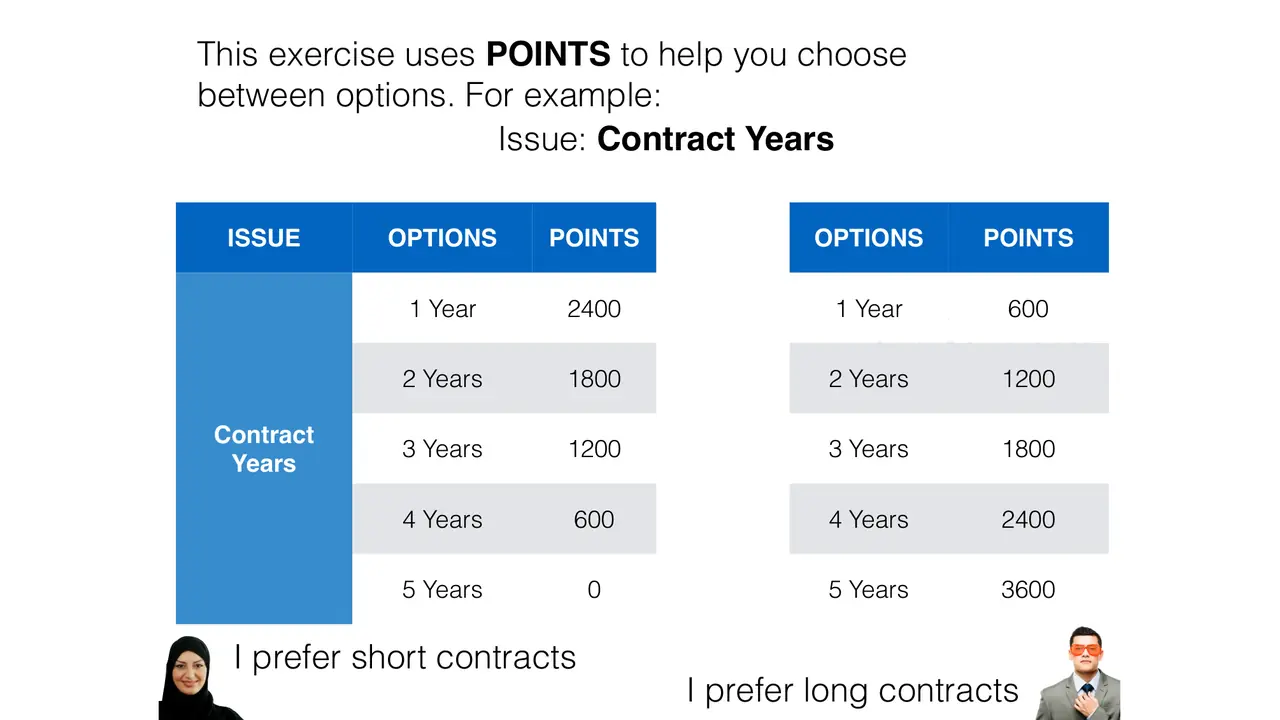
Slide: Each issue is worth points, and the two sides value them differently
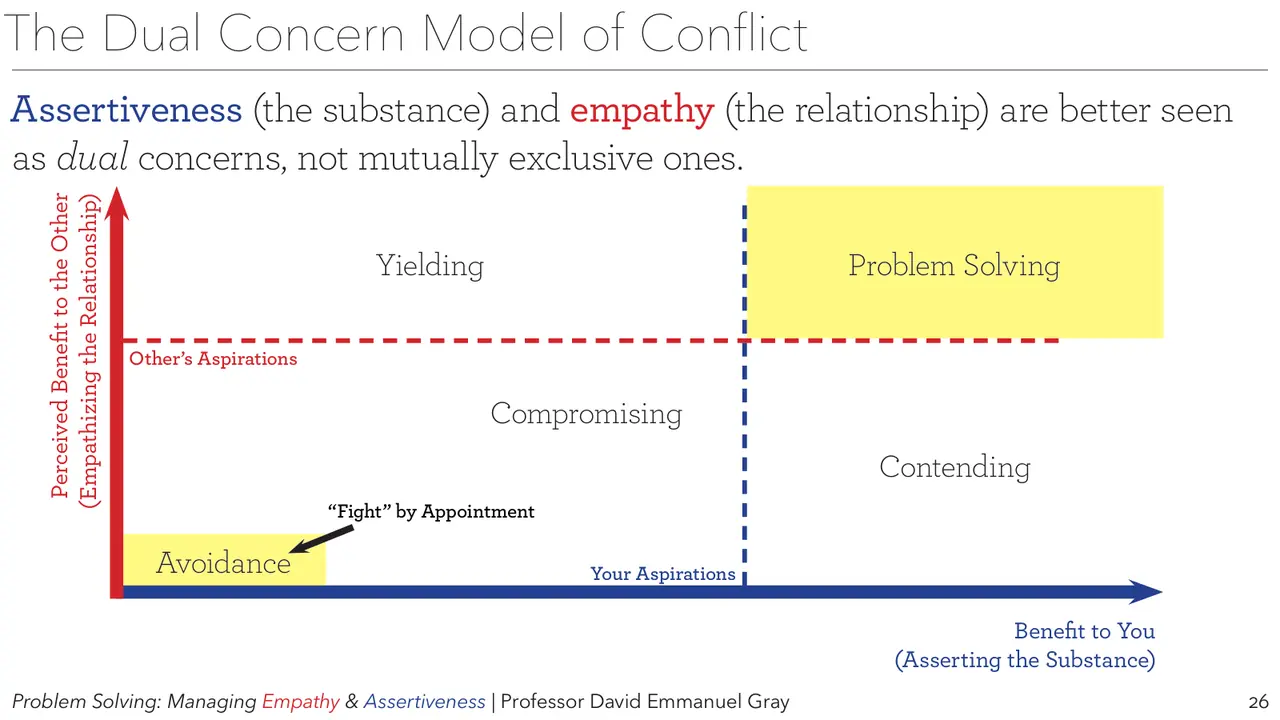
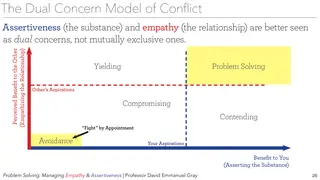
Slide: The dual concern model: assertiveness and empathy are not opposites
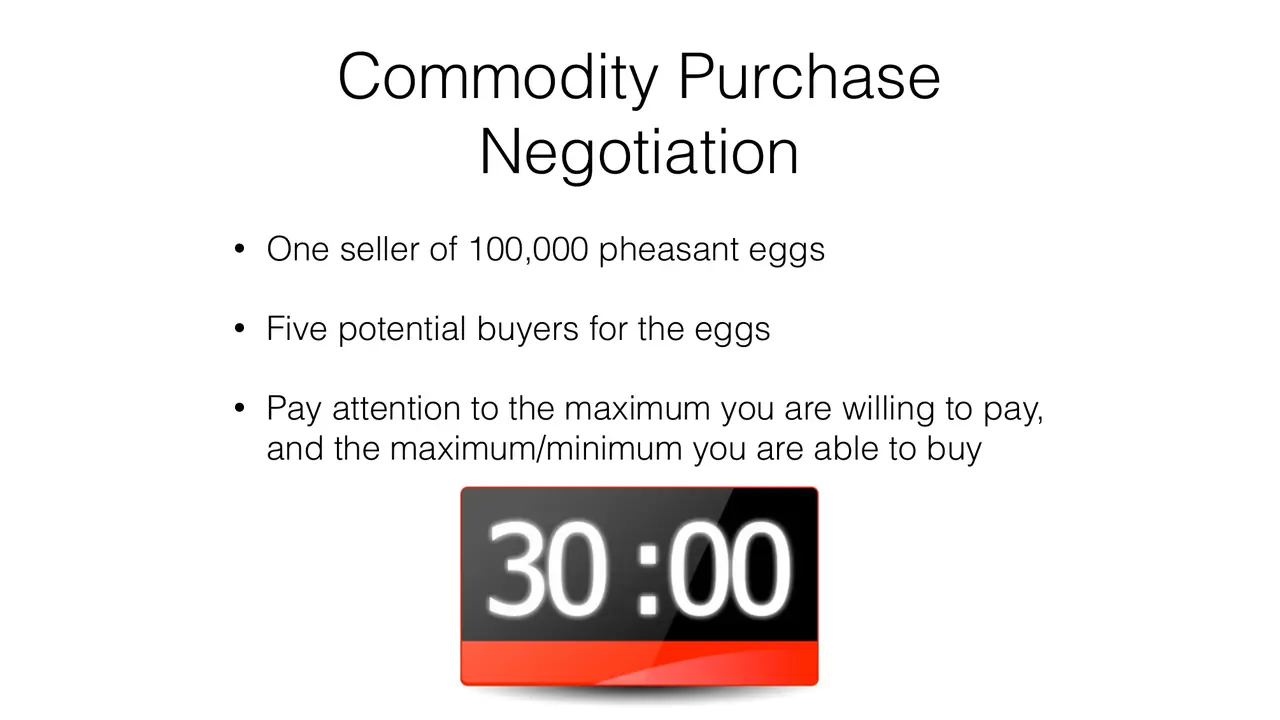
Slide: One seller of 100,000 pheasant eggs and five potential buyers

slides from the decks
I taught from

Fall 2014 (November 16 to 18) · Three mornings, 8:00 to 1:00, at CMU-Q

Day by day

Scroll the schedule and the slides follow along: five from each session, picked from the decks I taught from.

  1. Day 1: The job offer
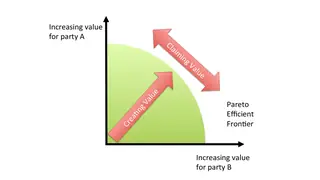
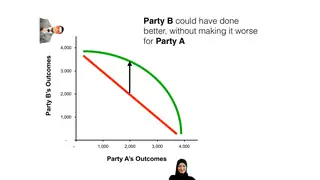
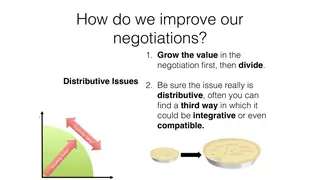
  2. D1New Recruit: an eight-issue job negotiation and debriefIn-class exerciseRecruiter and candidate pairs negotiate a contract scored in points, then we compare every pair's outcomeEach issue is worth points, and the two sides value them differentlyThe Pareto frontier: creating value versus claiming itParty B could have done better without making Party A worse offCompatible and integrative issues: find the tradesGrow the value first, then divide it
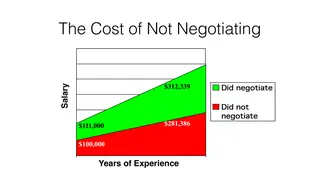
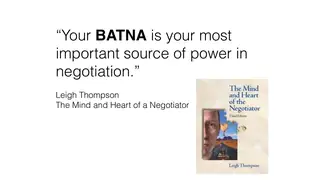
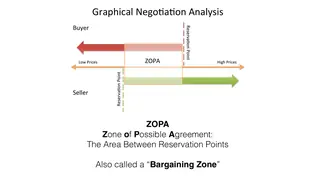
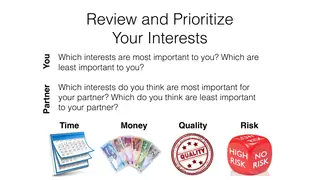
  3. D1Negotiation tactics for successStarting salaries of men in one MBA class were 7.6% higher than women's. What caused it?The compounding cost of not negotiating a first salaryYour BATNA is your most important source of powerGraphical negotiation analysis: the zone of possible agreementReview and prioritize your interests and your partner's
  4. Day 2: Problem solving
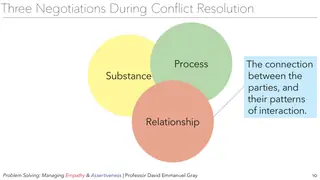
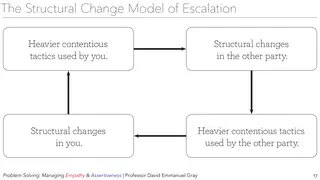
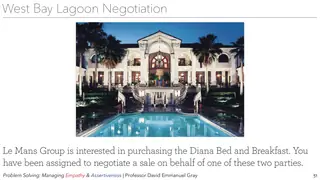
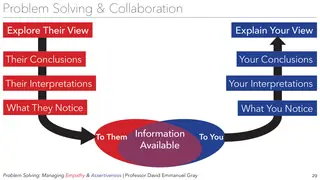
  5. D2Problem solving: managing empathy and assertiveness, with the West Bay Lagoon property negotiationCaseLecture and debrief led by David Emmanuel GrayEvery negotiation is three negotiations: substance, process, and relationshipThe structural change model of escalationThe dual concern model: assertiveness and empathy are not oppositesProblem solving means exchanging conclusions, interpretations, and what each side noticedWest Bay Lagoon: a buyer and a seller of a Doha bed and breakfast
  6. Day 3: Hard bargainers and coalitions
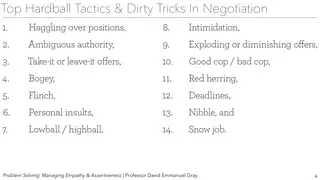
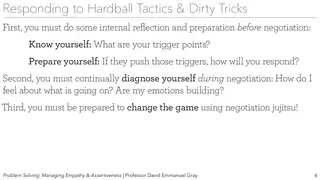
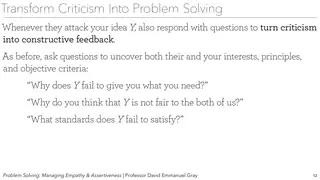
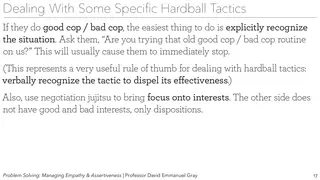
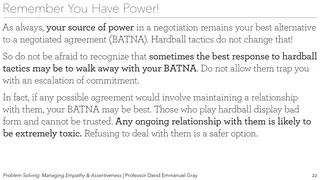
  7. D3Negotiation jujitsu and the hard bargainerLed by David Emmanuel GrayFourteen hardball tactics and dirty tricks to recognizeResponding to hardball: know yourself, prepare yourself, change the gameTurn criticism into problem solving with questionsGood cop, bad cop: name the tactic and it loses its forceRemember your power: the BATNA does not change because the other side shouts
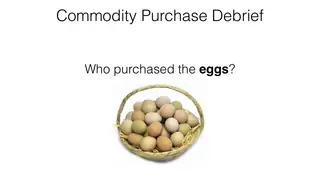
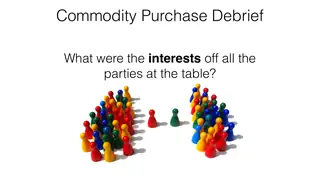
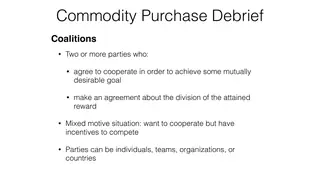
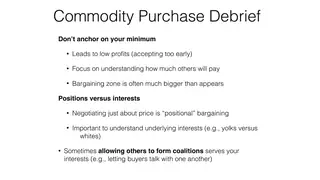
  8. D3Commodity Purchase: a six-party negotiation over a scarce supplyIn-class exerciseOne seller, five buyers, thirty minutes; debrief by meOne seller of 100,000 pheasant eggs and five potential buyersWho purchased the eggs?What were the interests of all the parties at the table?Coalitions: when parties cooperate to claim a share of the rewardLessons: do not anchor on your minimum, and look past positions

What students hand in

Major assignments

Negotiation simulations

Three graded-by-outcome simulations (New Recruit, West Bay Lagoon, Commodity Purchase). Results from every pair or group go up on the screen in the debrief so participants can see the full range of deals the same facts produced.

Offerings

When I taught it

  • Spring 2014 (March 24 to 26)
  • Fall 2014 (November 16 to 18)
  • Fall 2015 (September 29 to October 1)
  • Spring 2016 (March 22 to 24)

All courses