Ben Collier, PhD Book a call →free, 15 minutes

Executive education

Managing Groups and Teams

Team simulations, a global team case, and the research on why groups underperform

79 participants from 14 organizations

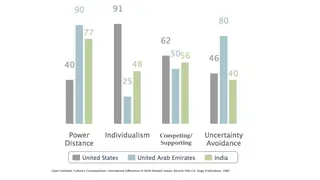
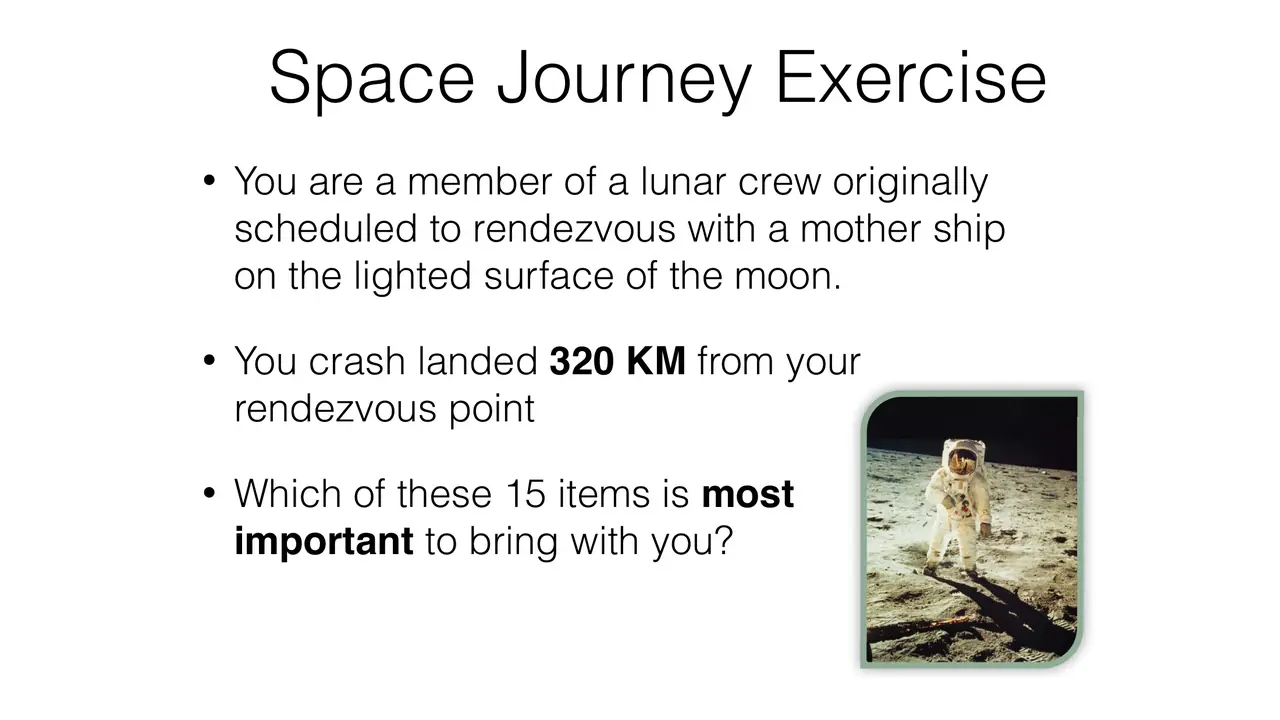
I taught this one alone. Day one is a lunar survival simulation: everyone ranks the items alone, then as a team, and we score both against NASA's ranking so the room can see when the group beat its best member and when it didn't. Day two covers collective intelligence, psychological safety, and social loafing. Day three works through goal setting and a case about rebuilding a global team, then uses Hofstede's dimensions to compare the countries in the room.
  • Spring 2015 (February 15 to 17)
  • Three mornings, 8:00 to 1:00, at CMU-Q
  • Course number Exec Ed
Slide: Crash-landed 320 km from the mother ship: which 15 items matter most?
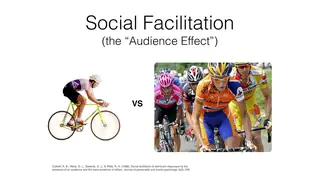
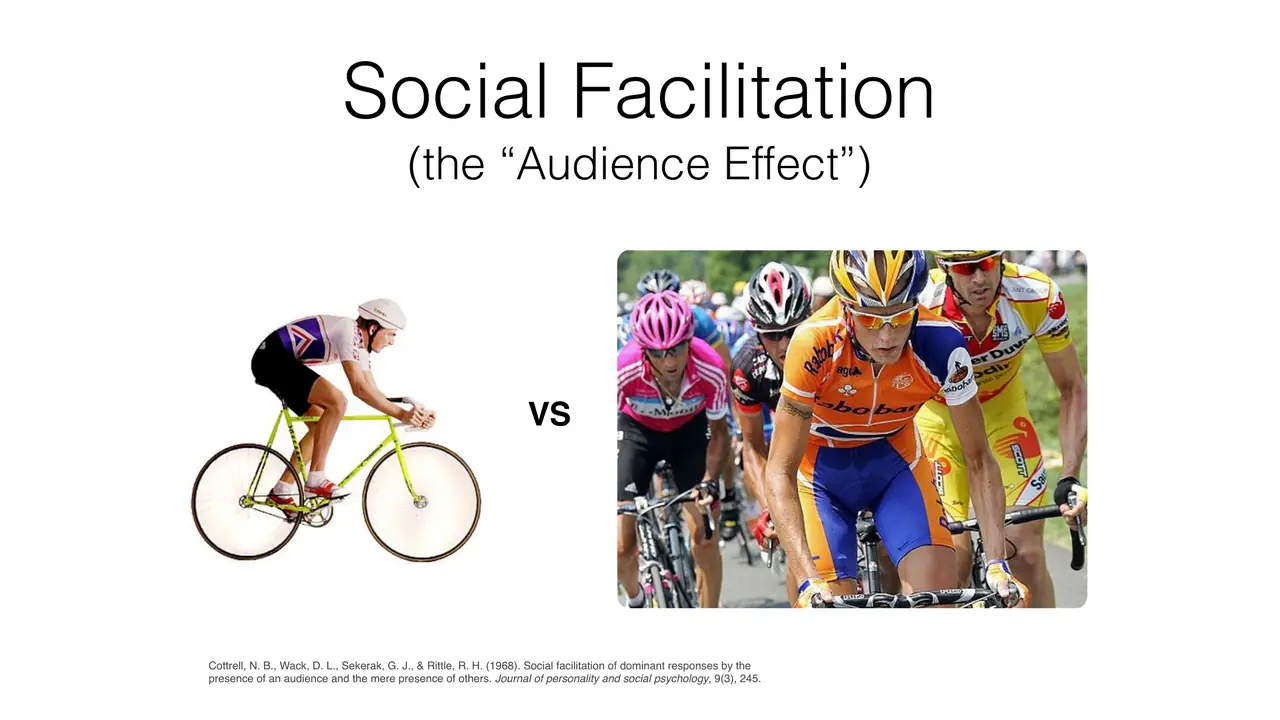
Slide: Social facilitation: people perform better when others are watching
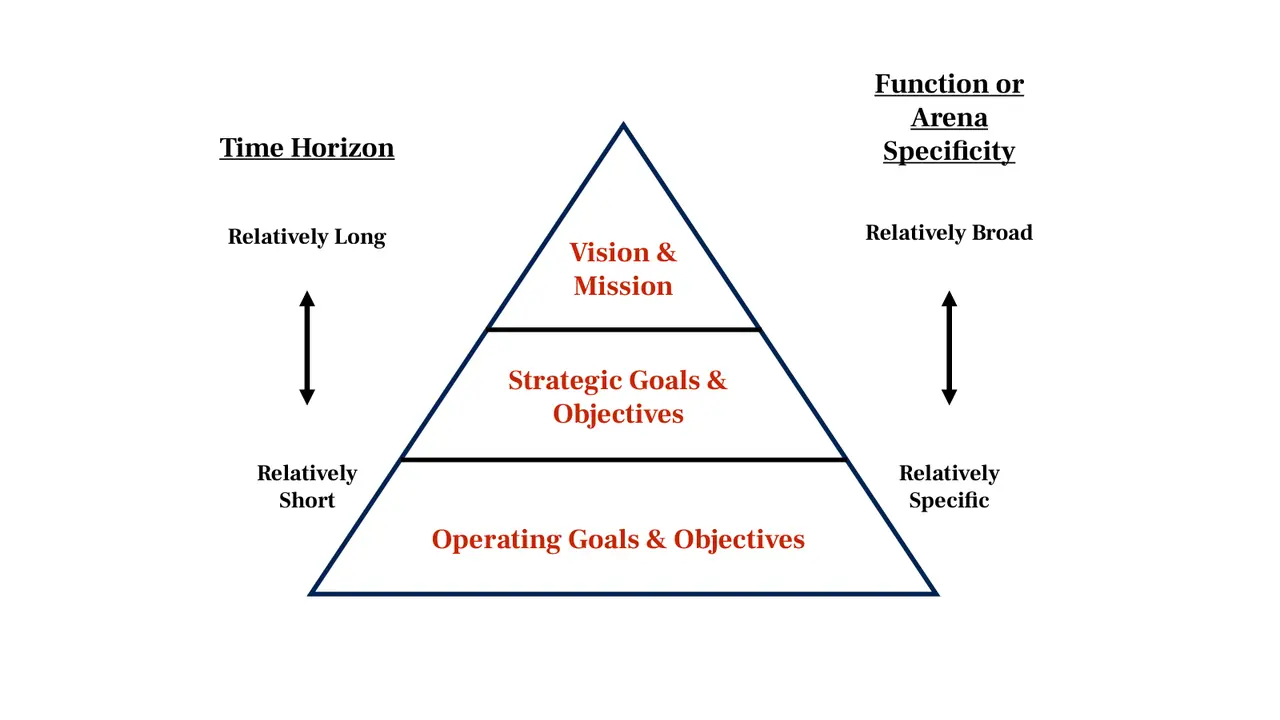
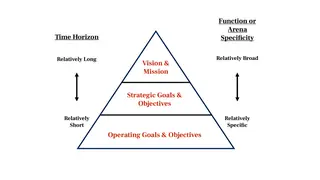
Slide: Goals cascade from vision to strategic to operating objectives

slides from the decks
I taught from

Spring 2015 (February 15 to 17) · Three mornings, 8:00 to 1:00, at CMU-Q

Day by day

Scroll the schedule and the slides follow along: five from each session, picked from the decks I taught from.
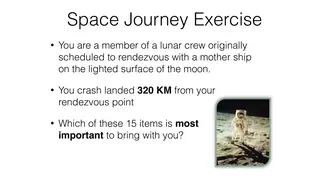
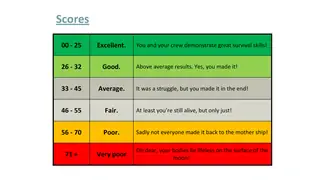
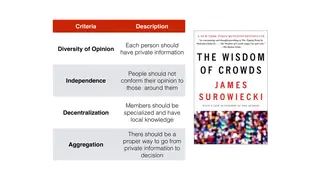
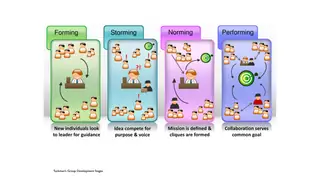
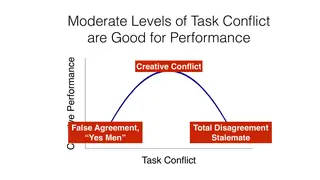
  1. D1Space Journey: an interactive team simulation and debriefIn-class exerciseCrash-landed 320 km from the mother ship: which 15 items matter most?Scoring your team against the expertsThe wisdom of crowds needs diversity, independence, decentralization, and aggregationForming, storming, norming, performingModerate task conflict is good for creative performance
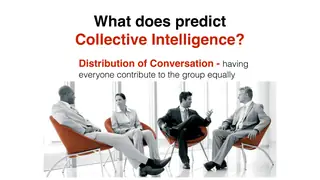
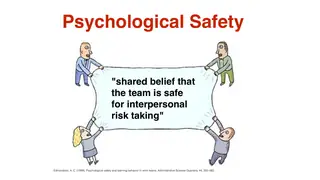
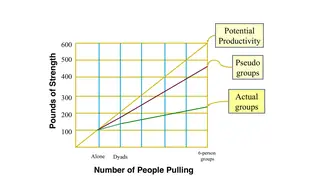
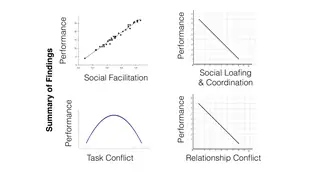
  2. D2Collective intelligence, psychological safety, and social loafingIncludes the IDEO case discussion and a team quiz on the researchCollective intelligence depends on everyone contributing roughly equallyPsychological safety: a shared belief that the team is safe for risk takingSocial facilitation: people perform better when others are watchingRingelmann's rope pull: actual groups fall short of potential productivitySummary of findings on facilitation, loafing, task conflict, and relationship conflict
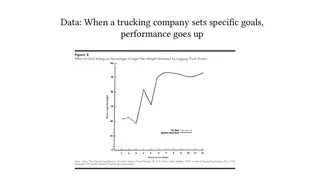
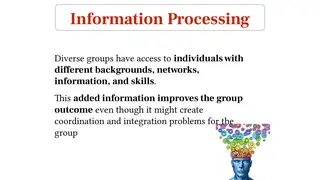
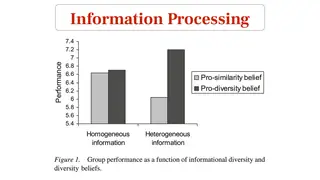
  3. D3Goals, diversity, and working with global teamsCaseInteractive exercise based on a case about rebuilding a distressed global team, followed by participant presentationsGoals cascade from vision to strategic to operating objectivesWhen a trucking company set specific goals, performance went upDiversity cuts two ways: social categorization and information processingDiverse information helps when the team believes diversity is usefulHofstede's dimensions: the United States compared with the UAE

What students hand in

Major assignments

Global team case presentations

Small groups advise a new manager taking over a team spread across time zones and cultures, then present their plan to the room.

Offerings

When I taught it

  • Spring 2015 (February 15 to 17)

All courses